Transparency & Traceability

Our Ingredients

Every InVine Botanicals balm starts with whole herbs, slow-infused over weeks — not quick essential oil dilutions. Here are the plants we work with and why we chose them.

30 botanicals · 3 formulas

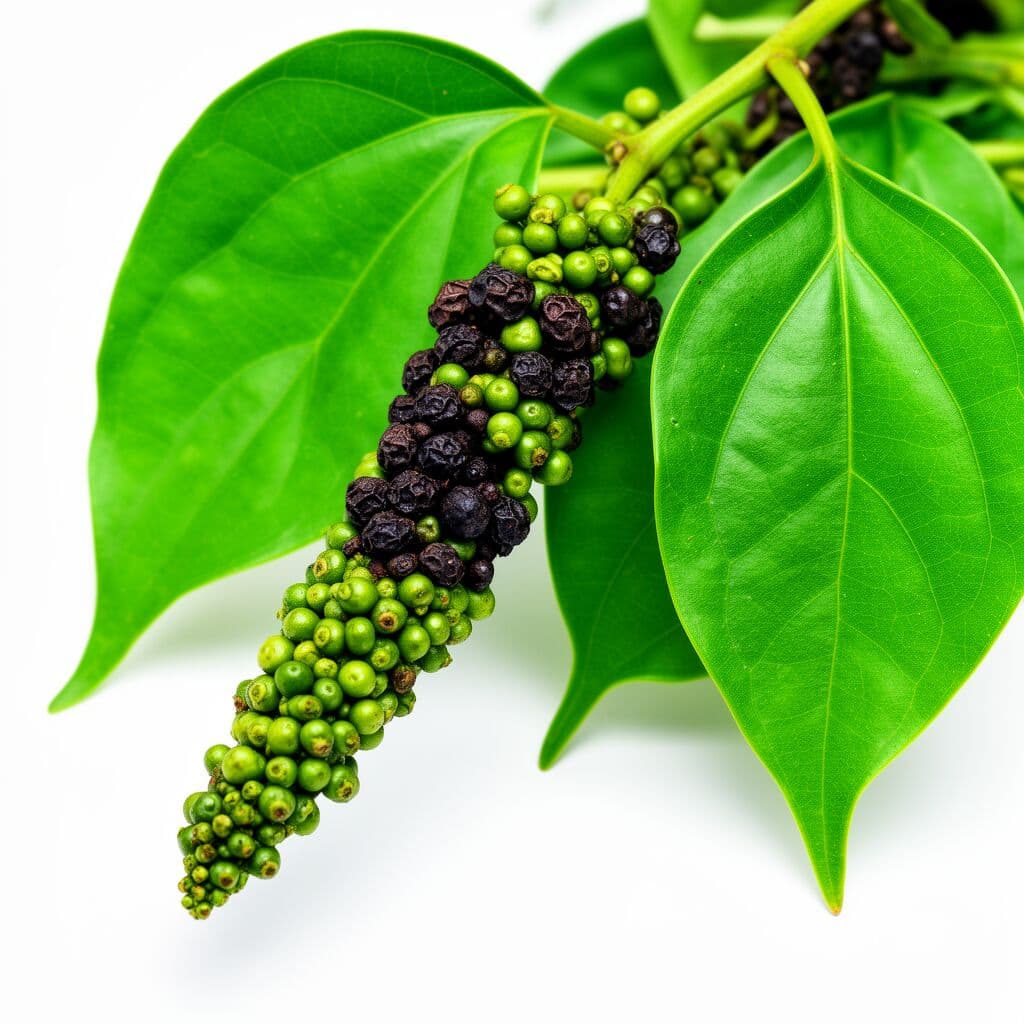
Whole black peppercorns in a pile showing their dark wrinkled surface

Black Pepper

Piper nigrum

Black pepper is the world's most traded spice and one of the most underappreciated medicinal herbs. Piperine, its primary alkaloid, has documented analgesic, anti-inflammatory, and circulatory-stimulating properties when applied topically. It also acts as a bioavailability enhancer — dramatically increasing the skin absorption of other botanical compounds, most notably curcumin from turmeric. In Muscle Revive Balm, black pepper functions simultaneously as a warming counter-irritant, an analgesic, and a synergist that amplifies the action of every other herb in the formula.

Key Properties

Bioavailability enhancer (piperine — amplifies curcumin absorption)Counter-irritant and warmingAnalgesicAnti-inflammatoryCirculatory stimulant

Traditional Uses

  • Circulatory stimulant and warming liniment
  • Joint stiffness and muscle pain
  • Enhancing absorption of co-administered herbs (Ayurvedic)
  • Digestive support (internal)

Black pepper was so valuable in medieval Europe that it was used as currency to pay rent, taxes, and even dowries — the term 'peppercorn rent' for a nominal payment survives in modern legal language from this era.

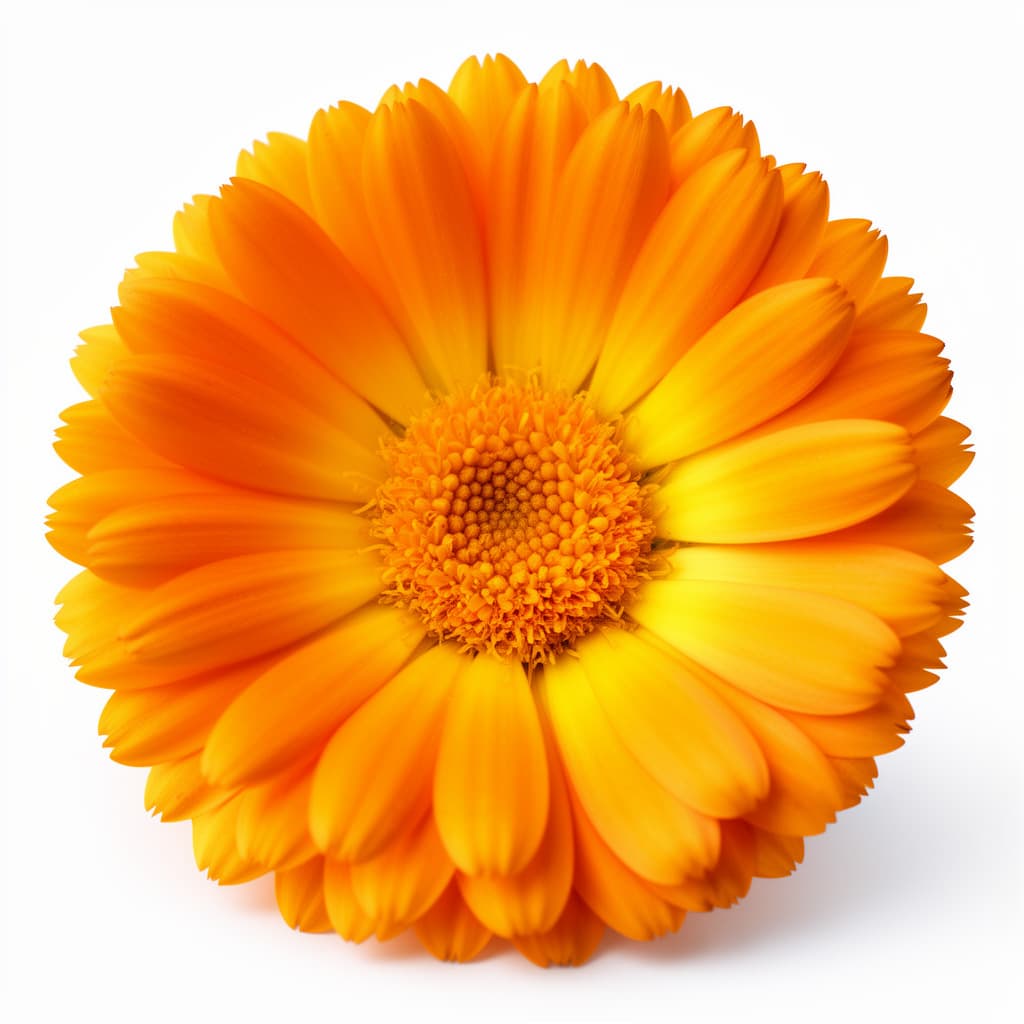
Bright orange calendula flowers in full bloom against green foliage

Calendula

Calendula officinalis

Calendula — commonly called pot marigold — is one of the most extensively studied and widely used herbs in botanical skincare, with a clinical record for topical use that spans more than five centuries of European herbal medicine. Its bright orange and yellow flowers are densely loaded with flavonoids (quercetin, isorhamnetin), triterpene saponins, and carotenoids that produce a powerful but gentle anti-inflammatory and skin-healing effect. Unlike many herbs that require high concentrations to be active, calendula is effective at modest amounts — and deeply compatible with all skin types, including the most sensitive.

Key Properties

Vulnerary (promotes wound healing)Anti-inflammatory (flavonoids, triterpenes)AntifungalEmollient and skin-softeningGentle — suitable for sensitive and reactive skin

Traditional Uses

  • Wound healing and scar reduction
  • Soothing eczema, dermatitis, and dry irritated skin
  • Topical antifungal for minor skin infections
  • Relief from sunburn and radiation-induced skin irritation

Calendula's name comes from the Latin 'calendae' — the first day of every month — because it was observed to bloom on or around the new moon each month. It was used in ancient Rome and medieval Europe not only as medicine but to dye fabrics, color butter and cheese, and as a substitute for the far more expensive saffron.

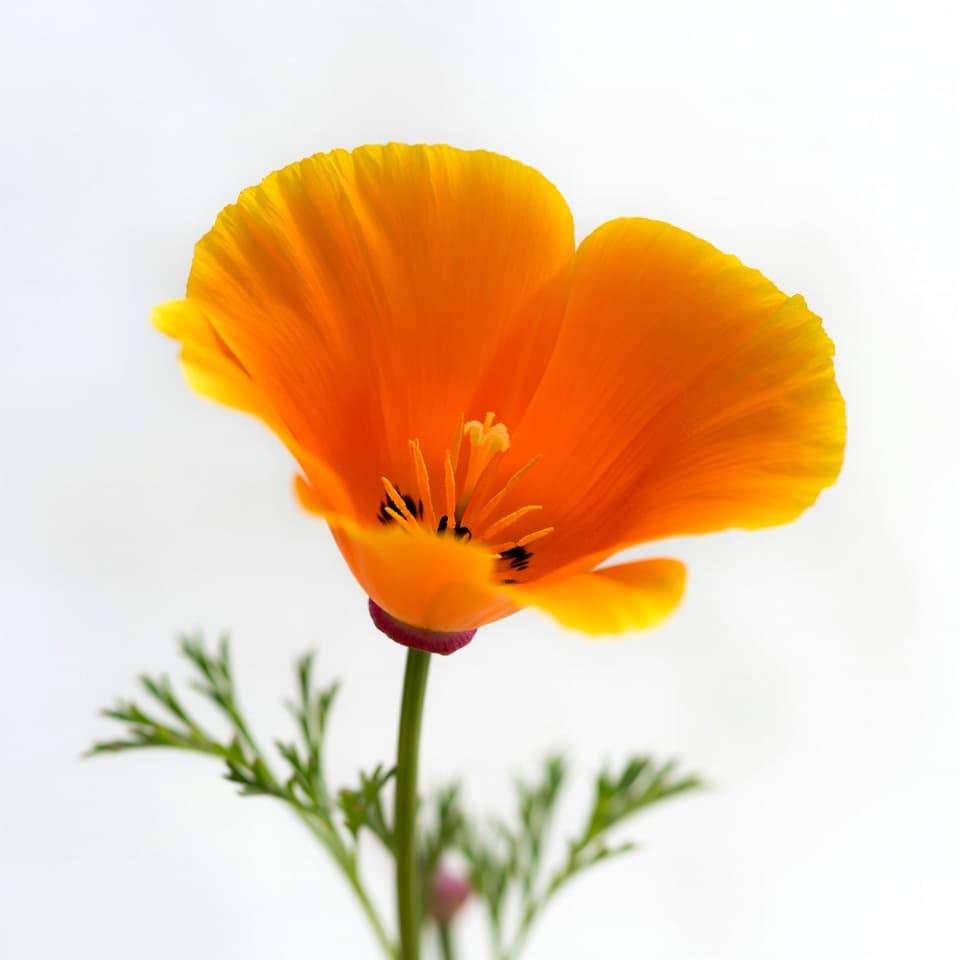
California poppy with vivid orange blooms and feathery blue-green foliage

California Poppy

Eschscholzia californica

California poppy is a gentle, non-narcotic member of the Papaveraceae family and the official state flower of California, beloved in western herbalism for its mild nervine and analgesic properties. Unlike its relative the opium poppy, Eschscholzia californica contains no opiates — its active compounds, primarily californidine and eschscholtzine, are alkaloids that interact with GABA receptors to produce mild relaxation, tension relief, and analgesic action. It has been used by indigenous California tribes for centuries as a pain herb and sleep aid.

Key Properties

Mild analgesicNervine relaxantAntispasmodicAnti-inflammatoryNon-narcotic sedative

Traditional Uses

  • Mild analgesic for tension headaches and nerve pain
  • Traditional sleep support and nervine relaxant
  • Topical pain relief in indigenous California traditions
  • Antispasmodic for muscle tension

Despite belonging to the Papaveraceae family, California poppy contains no opiates whatsoever. It is completely legal and safe — sharing only a family name, not chemistry, with its more notorious relatives.

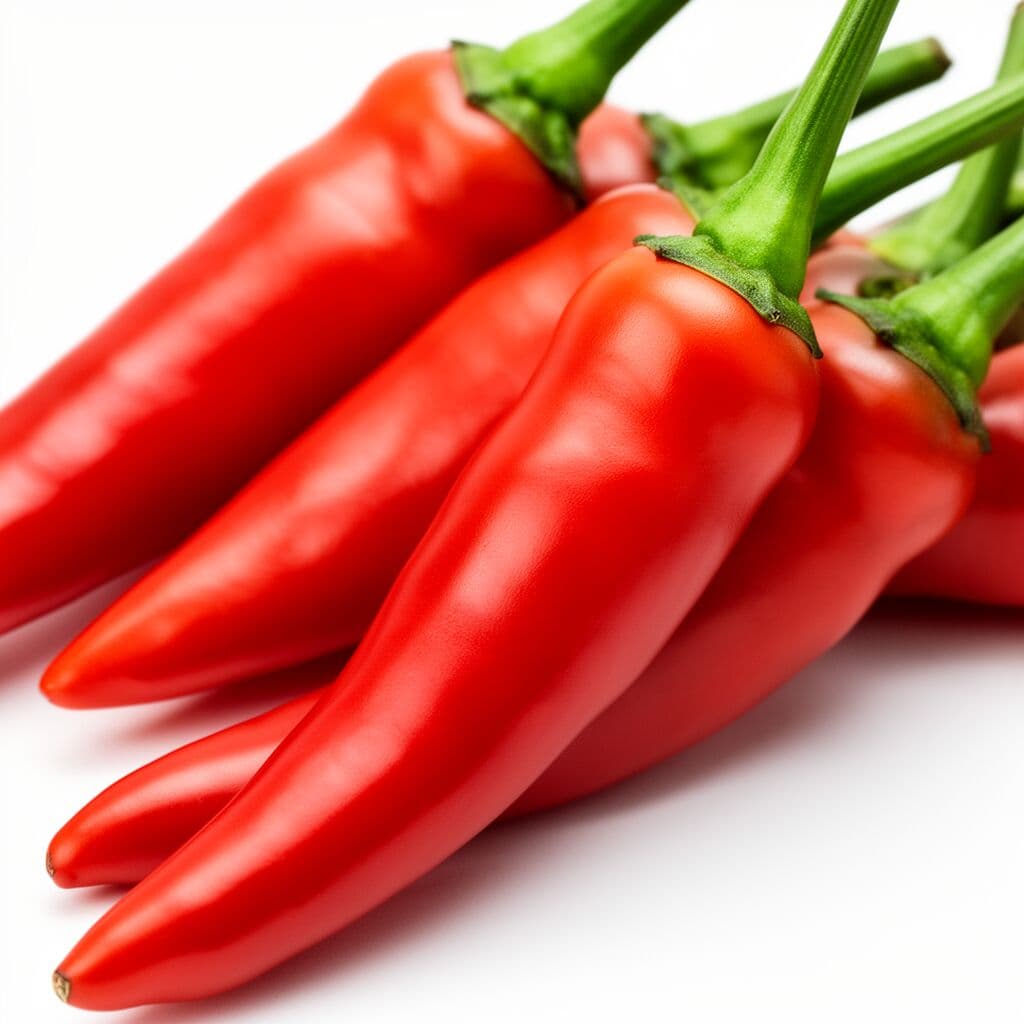
Dried red cayenne peppers with vivid color and textured skin

Cayenne

Capsicum annuum

Cayenne is the botanical source of capsaicin, one of the most well-documented topical analgesics in Western medicine — the active ingredient in several FDA-approved pharmaceutical pain patches. Capsaicin initially binds to TRPV1 heat receptors in the skin, creating the familiar burning warmth. With continued exposure it depletes substance P — a key neurotransmitter in pain signaling — providing sustained relief from deep musculoskeletal ache. The warmth it generates also increases local circulation, bringing fresh blood flow to tight or recovering muscle tissue.

Key Properties

Counter-irritant and warming (capsaicin — TRPV1 activation)Analgesic (substance P depletion with repeated use)Circulatory stimulantAnti-inflammatory (at lower concentrations)

Traditional Uses

  • Topical warming for deep muscle and joint pain
  • Relief from arthritis and rheumatic pain
  • Neuralgia and nerve pain (topical)
  • Circulatory stimulant

Capsaicin-based pharmaceutical patches (like Qutenza, used for neuropathic pain) contain up to 8% capsaicin. Topical herbal preparations using whole-herb infusion deliver a much gentler, sustained version of the same analgesic mechanism.

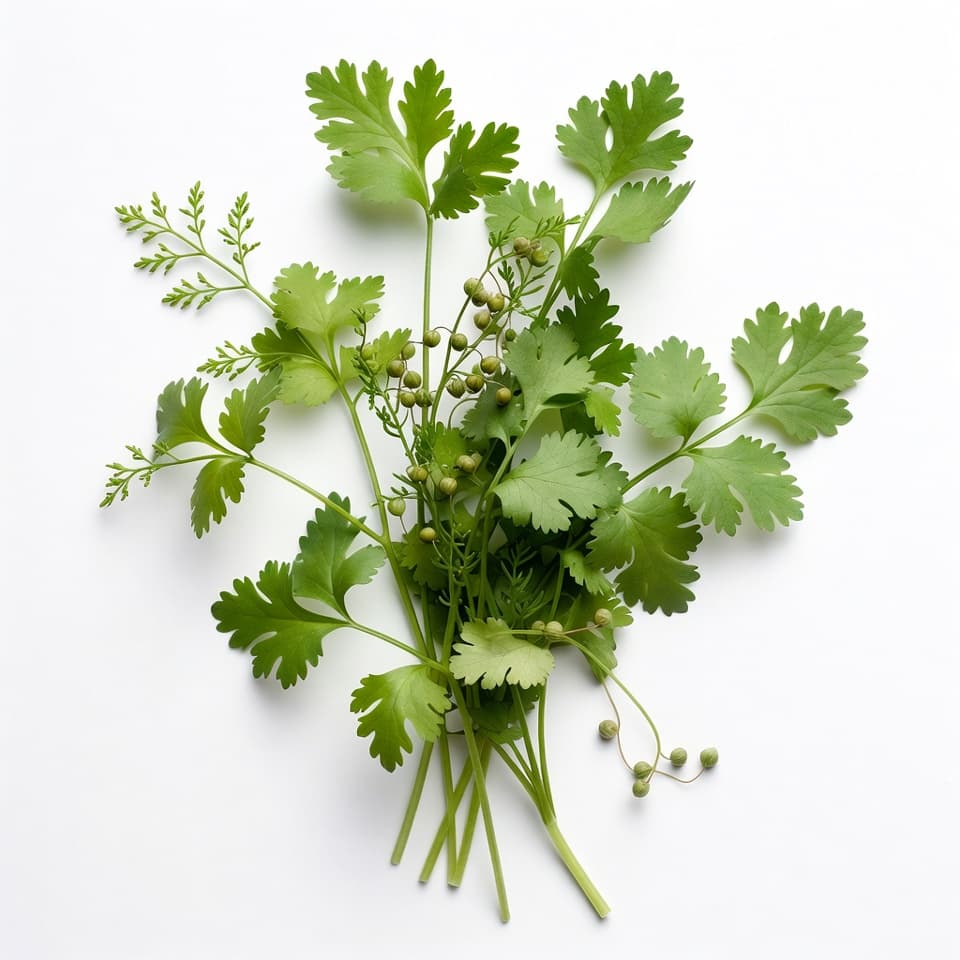
Fresh cilantro with delicate bright green feathery leaves

Cilantro

Coriandrum sativum

Cilantro is the leafy herb form of the coriander plant, a member of the Apiaceae family with a history of culinary and medicinal use spanning thousands of years across Asia, the Middle East, and Latin America. The leaves are rich in flavonoids, linalool, and camphor — compounds with documented antimicrobial, anti-inflammatory, and antioxidant action. In InVine's Florida garden, cilantro grows as a cool-season crop during the winter months, thriving in Tallahassee's mild winters when summer herbs go dormant.

Key Properties

Anti-inflammatoryAntimicrobialAntioxidantSkin-soothingAromatic

Traditional Uses

  • Traditional digestive herb across many cultures
  • Antimicrobial applications in Ayurvedic medicine
  • Topical anti-inflammatory in traditional Mexican herbalism
  • Antioxidant skin support

Cilantro is one of the few herbs documented in ancient Egyptian, Sanskrit, and Hebrew texts — it appears in the Ebers Papyrus (c. 1550 BCE) as both a medicinal and culinary plant.

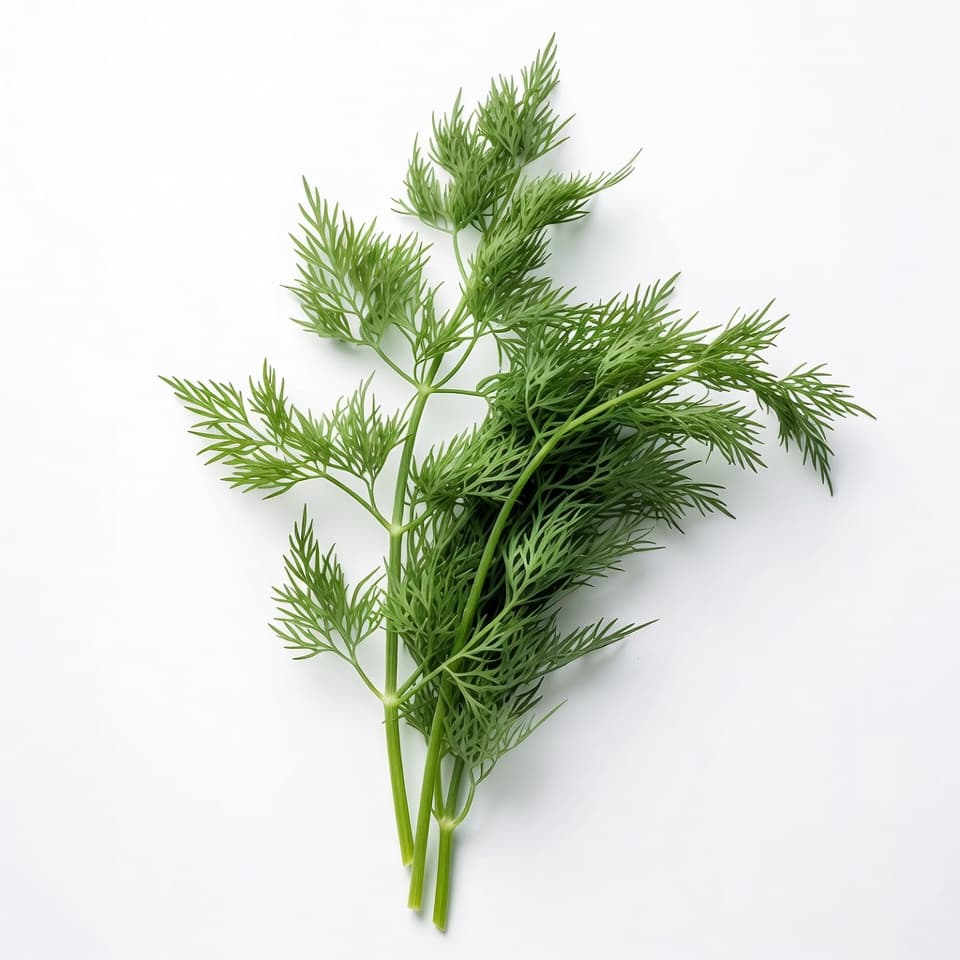
Dill plant with delicate feathery green fronds

Dill

Anethum graveolens

Dill is a tall, feathery annual in the Apiaceae family with a history of medicinal use stretching back to ancient Egypt, Greece, and Rome. Its primary active compounds — carvone, limonene, and anethofuran — are found in both the leaves and seeds and carry documented anti-inflammatory, antimicrobial, and antispasmodic properties. In InVine's Florida garden, dill performs best in the cooler winter months before bolting in summer heat.

Key Properties

Anti-inflammatoryAntimicrobialAntispasmodicAntioxidantCarminative

Traditional Uses

  • Topical anti-inflammatory in traditional European herbalism
  • Antimicrobial wound and skin care
  • Traditional carminative and digestive herb worldwide
  • Antispasmodic for muscle tension

The word 'dill' comes from the Old Norse 'dilla,' meaning to lull or soothe — a reference to its ancient use as a calming herb for restless infants and upset stomachs.

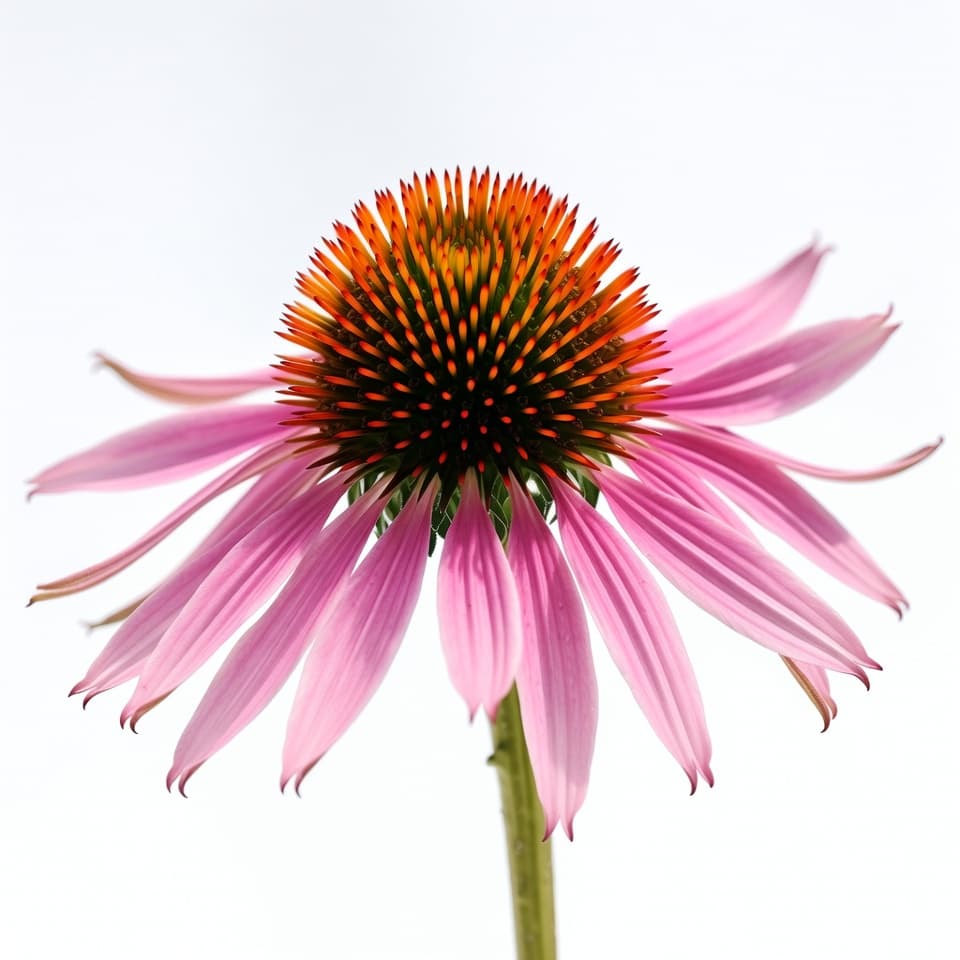
Echinacea purpurea coneflower in bloom with bright purple petals and orange center

Echinacea

Echinacea purpurea

Echinacea purpurea is a striking native North American coneflower with a centuries-long history of use in indigenous herbal medicine, particularly among Plains tribes who used it for wounds, pain, and infections. Its primary active compounds — alkylamides, polysaccharides, and caffeic acid derivatives — have been studied for immune support and topical anti-inflammatory action. Both the aerial parts and roots carry medicinal value, making echinacea one of the most versatile plants in the herbal garden.

Key Properties

ImmunomodulatoryAnti-inflammatoryAntimicrobialVulnerary (wound-healing)Antioxidant

Traditional Uses

  • Wound healing and skin repair
  • Immune system support
  • Topical antimicrobial for minor infections
  • Reduction of local inflammation
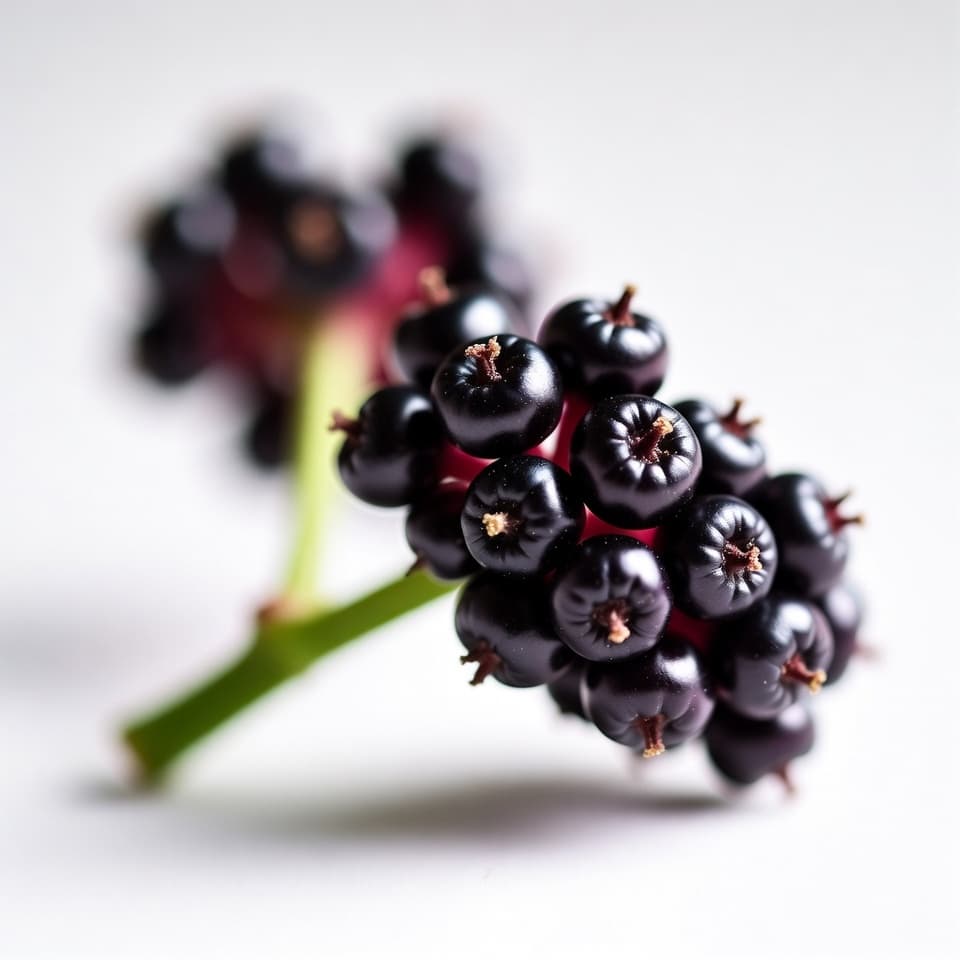
Elderberry shrub with clusters of small dark purple berries and compound leaves

Elderberry

Sambucus nigra

Elderberry (Sambucus nigra) is one of the most widely used medicinal plants in European folk medicine, documented in herbal texts from Hippocrates through the medieval period and still among the most researched botanical medicines today. The berries are rich in anthocyanins — particularly cyanidin-3-glucoside and cyanidin-3-sambubioside — potent antioxidants with antiviral, anti-inflammatory, and immunomodulatory activity. The flowers are equally valuable, containing flavonoids and triterpenes that support skin health and have been used in topical preparations for centuries.

Key Properties

ImmunomodulatoryAntiviralAnti-inflammatoryAntioxidant (anthocyanin-rich)Vulnerary

Traditional Uses

  • Immune support and antiviral defense in European folk medicine
  • Elder flower skin rinse for complexion and inflammation
  • Traditional fever remedy across European and Native American traditions
  • Topical anti-inflammatory for skin conditions

Every part of the elder has a traditional use: flowers for skin and fever, berries for immunity, bark as a purgative, and leaves as a topical anti-inflammatory — making it one of the most complete medicinal plants in the European tradition.

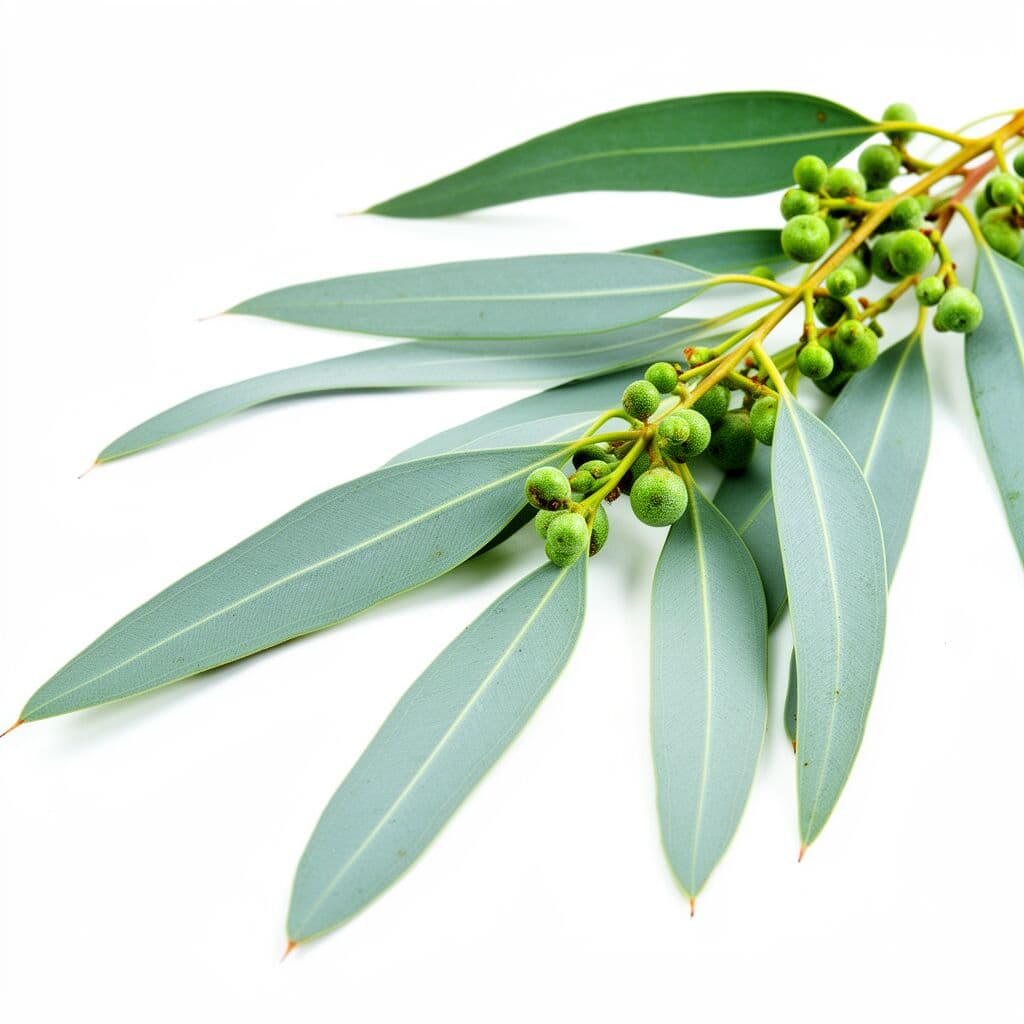
Eucalyptus branch with elongated blue-green leaves and silver sheen

Eucalyptus

Eucalyptus globulus

Eucalyptus is one of the most pharmacologically studied aromatic trees, and its primary active compound — 1,8-cineole (eucalyptol) — is one of the only plant compounds proven effective as a mucolytic: it thins and loosens mucus, facilitating clearance of congested airways when inhaled. Beyond respiratory action, 1,8-cineole also demonstrates anti-inflammatory effects relevant to musculoskeletal applications. Used as an essential oil in both Breathe Free and Muscle Revive Balms, where the volatile compound's rapid delivery through inhalation and skin absorption is maximized.

Key Properties

Expectorant and mucolytic (1,8-cineole)DecongestantAnti-inflammatoryAntimicrobialAnalgesic (topical)Cooling (mild)

Traditional Uses

  • Clearing nasal and chest congestion
  • Expectorant for coughs and respiratory infections
  • Muscle and joint pain relief
  • Antimicrobial inhalation therapy

1,8-cineole (eucalyptol) is present not just in eucalyptus but in rosemary, bay laurel, and cardamom — which may partially explain why these herbs have historically shared similar medicinal applications across completely different botanical traditions.

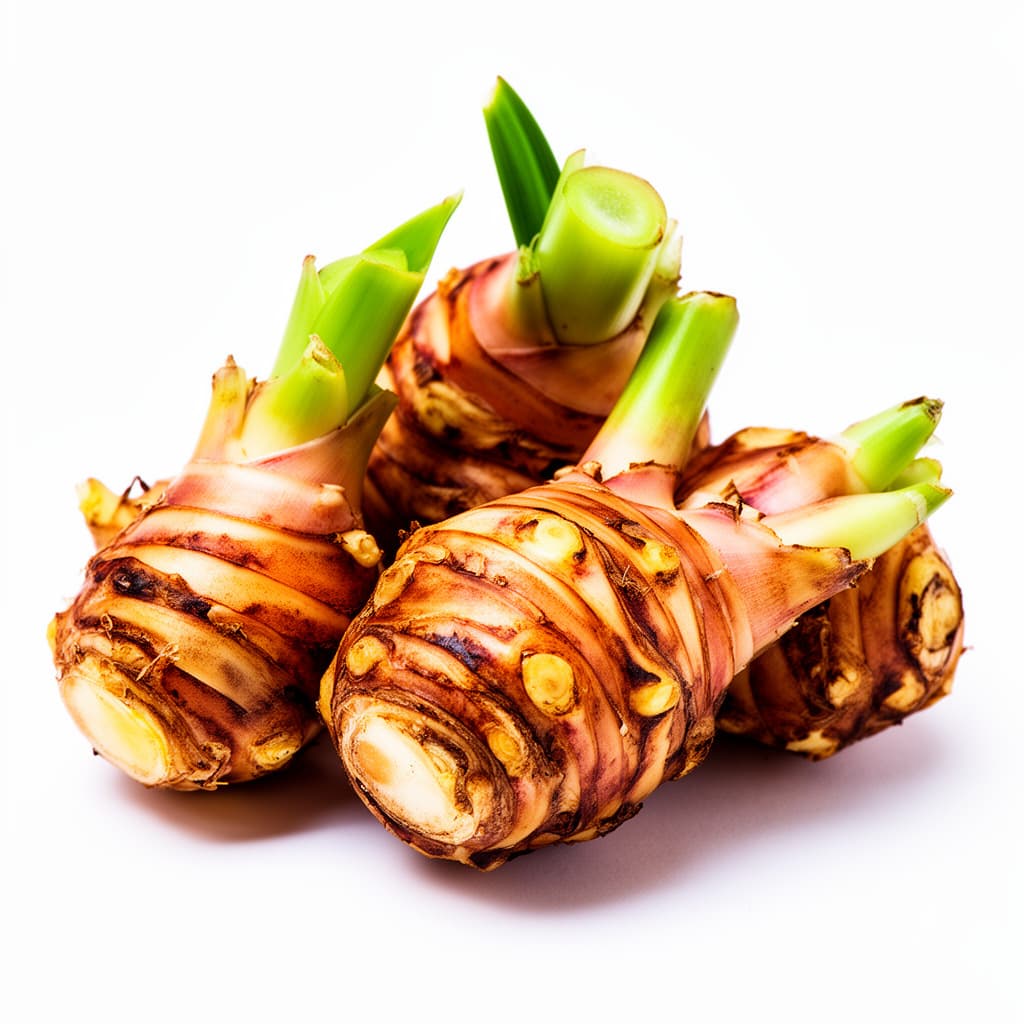
Galangal rhizome root, sliced to show the pale interior, surrounded by green leaves

Galangal

Alpinia galanga

Galangal is a rhizome in the ginger family (Zingiberaceae) native to Southeast Asia, where it has been used for over a thousand years in Ayurvedic and traditional Chinese medicine. Its root contains galangin, alpinetin, and acetoxychavicol acetate — compounds that produce a pronounced warming, anti-inflammatory effect on muscle and connective tissue. Closely related to ginger and turmeric, galangal brings a sharper, more peppery heat that penetrates deeply into sore or stiff tissue when applied topically.

Key Properties

Warming (thermogenic)Anti-inflammatory (galangin, alpinetin)AntimicrobialAntioxidantCirculatory stimulant

Traditional Uses

  • Topical warming compress for joint and muscle pain
  • Anti-inflammatory for arthritic and rheumatic conditions
  • Antimicrobial skin treatment in Ayurvedic practice
  • Digestive aid (internal use) across Southeast Asian traditions

Galangal was known in medieval Europe as 'spice of the Orient' and was prescribed by Hildegard von Bingen in the 12th century as a heart tonic and warming remedy — centuries before its active compounds were identified by modern science.

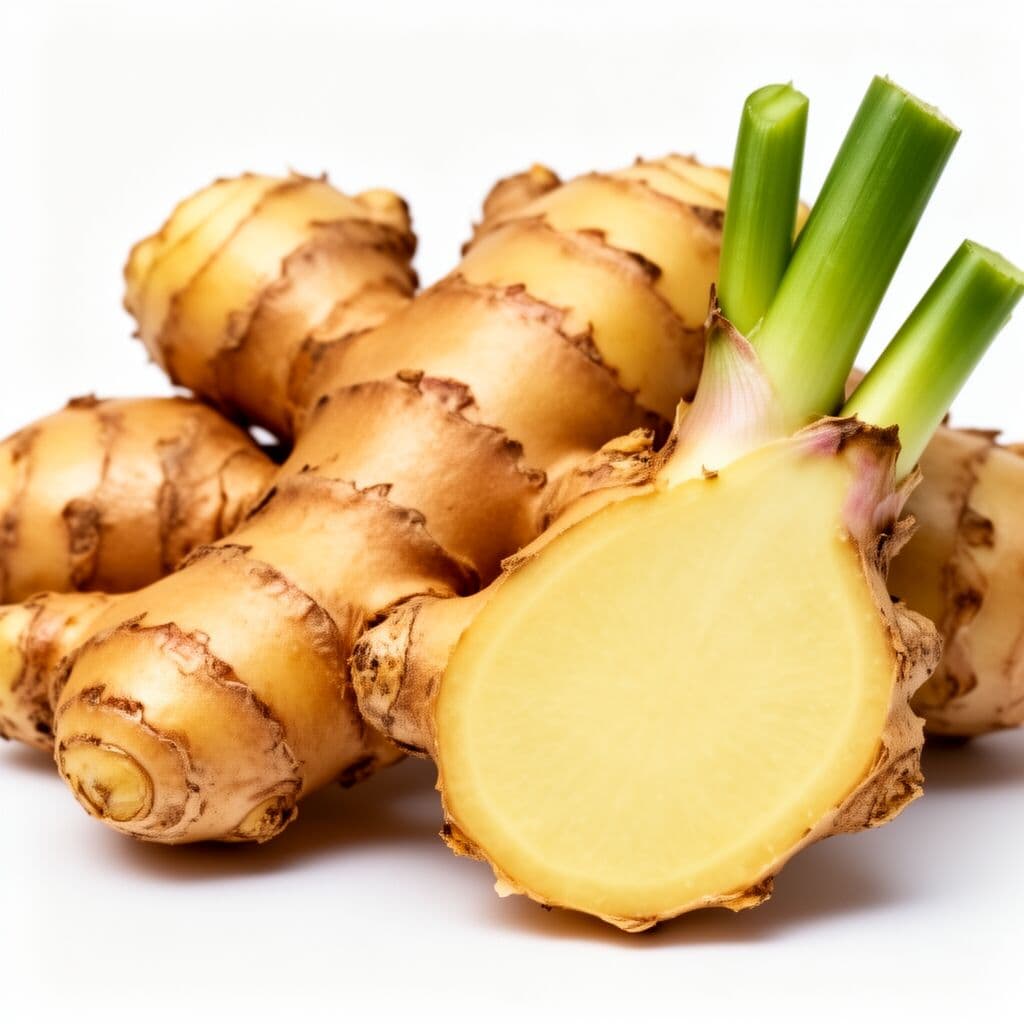
Fresh ginger root with knobby golden rhizome and fibrous texture

Ginger

Zingiber officinale

Ginger is one of the most extensively studied medicinal plants, with a documented therapeutic history in Ayurvedic, Chinese, and Arabian medicine spanning over 5,000 years. Its primary active compounds — gingerols (in fresh ginger) and shogaols (concentrated in dried ginger) — inhibit both prostaglandin and leukotriene synthesis, the same inflammatory pathways targeted by pharmaceutical NSAIDs. Applied topically in an oil infusion, ginger creates sustained warming through counter-irritant action: increasing local circulation and providing deep, penetrating heat to sore muscle tissue.

Key Properties

Counter-irritant (sustained warming)Anti-inflammatory (gingerols, shogaols — prostaglandin inhibition)AnalgesicCirculatory stimulantAntioxidant

Traditional Uses

  • Topical warming and relief for sore muscles and joint stiffness
  • Circulatory stimulant to increase local blood flow
  • Anti-inflammatory for arthritis and rheumatic conditions
  • Nausea and digestive support (internal)

Shogaols — the form gingerols transform into when ginger is dried — are actually more potent anti-inflammatory compounds than the fresh-ginger gingerols, which is why dried ginger infusions are often preferred for therapeutic formulas over fresh.

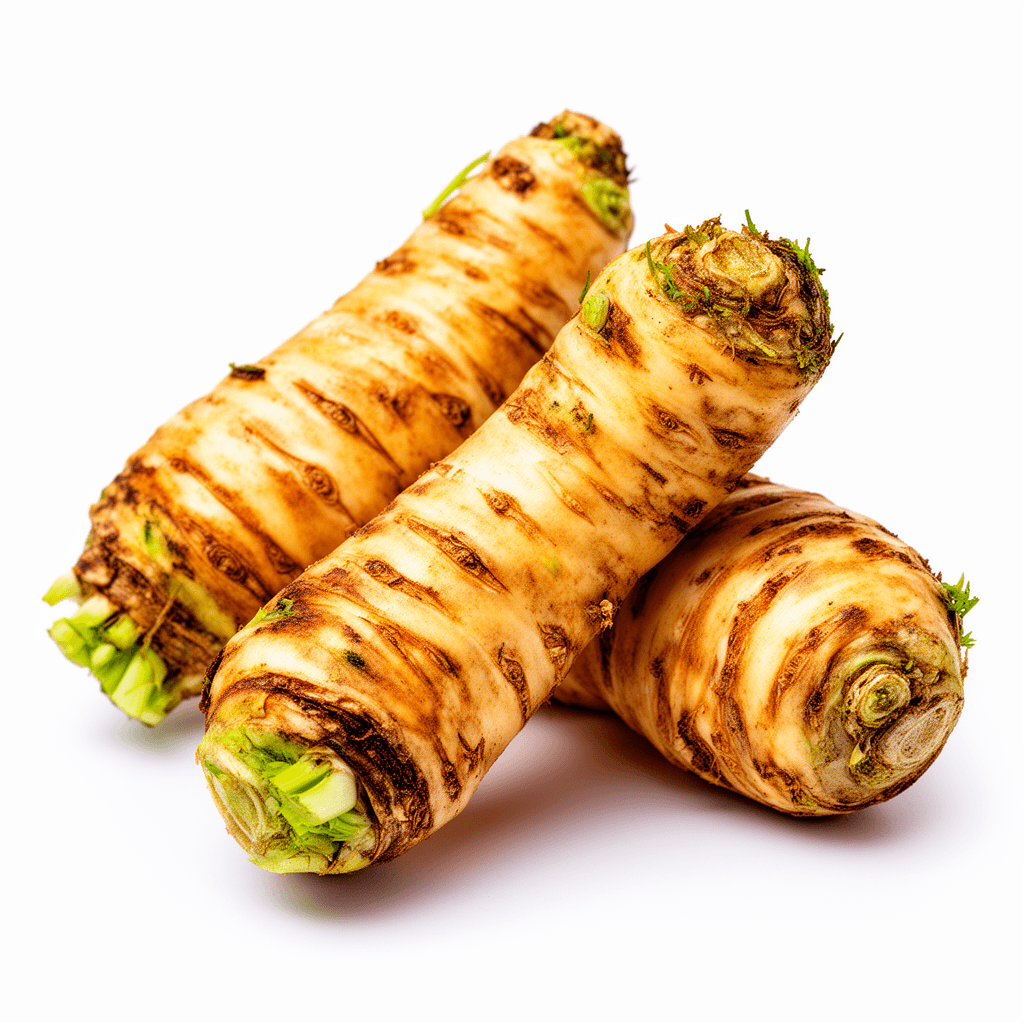
Horseradish plant with large dark green leaves growing in garden

Horseradish

Armoracia rusticana

Horseradish is a bold, pungent root herb in the Brassicaceae family, native to southeastern Europe and western Asia. Its potency comes from sinigrin, a glucosinolate that converts to allyl isothiocyanate when the root is cut — the volatile compound responsible for its sharp, sinus-clearing heat. Topically, horseradish has been used in traditional European herbalism as a circulatory stimulant and warming agent for muscle and joint pain.

Key Properties

Rubefacient (warming, circulatory stimulant)AntimicrobialDecongestantAnti-inflammatoryAntioxidant

Traditional Uses

  • Warming poultice for sore muscles and joints
  • Circulatory stimulant for topical blood flow
  • Traditional decongestant and sinus support
  • Antimicrobial skin applications
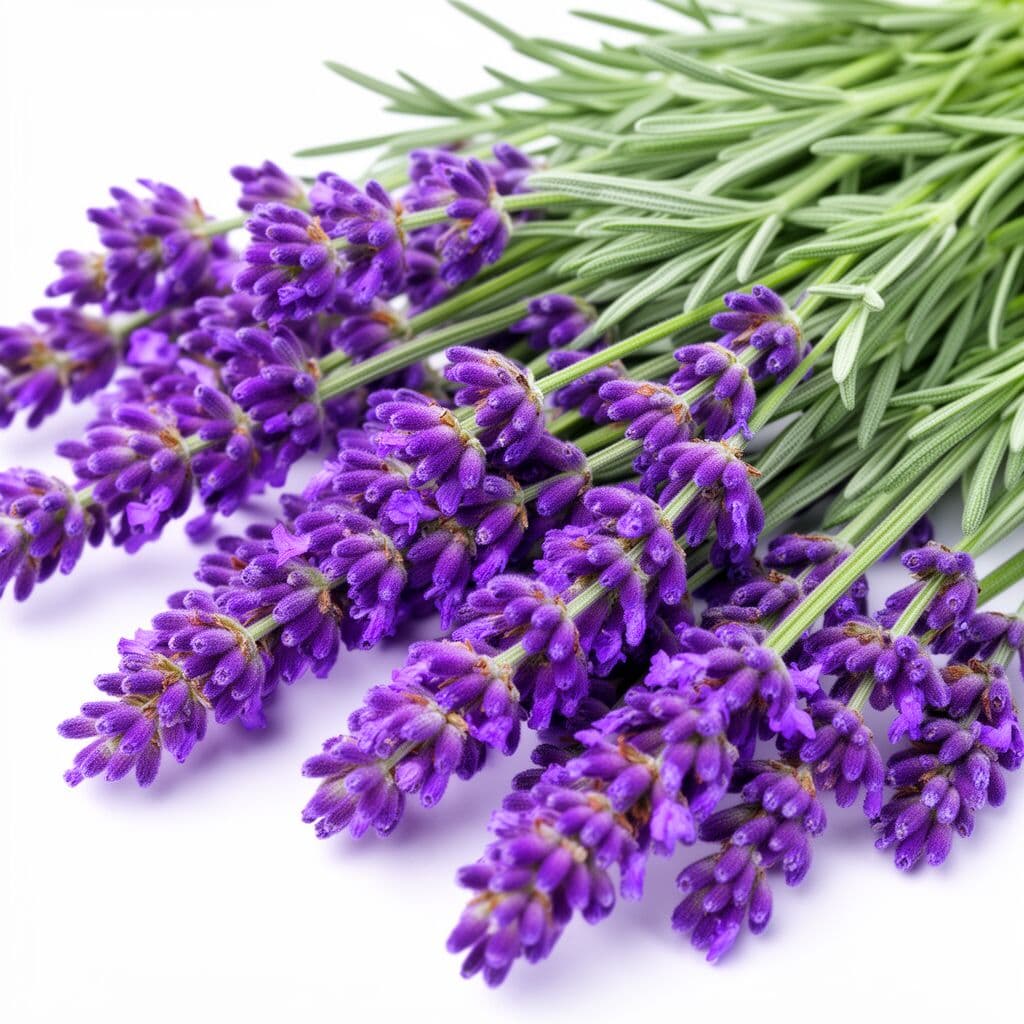
Lavender stems in bloom with purple flower spikes against soft light

Lavender

Lavandula angustifolia

Lavender is among the most widely studied aromatic plants, with extensive research documenting the calming, analgesic, and anti-inflammatory effects of its primary compounds linalool and linalyl acetate. Topically, these compounds interact with GABA receptors in skin tissue and peripheral nervous system pathways, producing a calming effect that is particularly relevant in a muscle recovery formula — physical tension and stress are physiologically linked, and addressing both simultaneously improves outcomes. In Muscle Revive Balm, lavender serves the dual role of calming the nervous component of muscle tension and adding anti-inflammatory support to the primary warming herbs.

Key Properties

Calming and anxiolytic (linalool — GABA receptor interaction)AnalgesicAnti-inflammatoryAntimicrobialAntispasmodicSkin-soothing

Traditional Uses

  • Calming nervous system tension and anxiety
  • Sleep support and relaxation
  • Topical analgesic for headaches and mild pain
  • Antimicrobial wound care

Lavender's Latin name derives from 'lavare' — to wash — because Romans used it to scent their baths. It was also used to preserve linen from moths and insects, a practical antimicrobial application that preceded modern understanding of its active compounds by nearly two millennia.

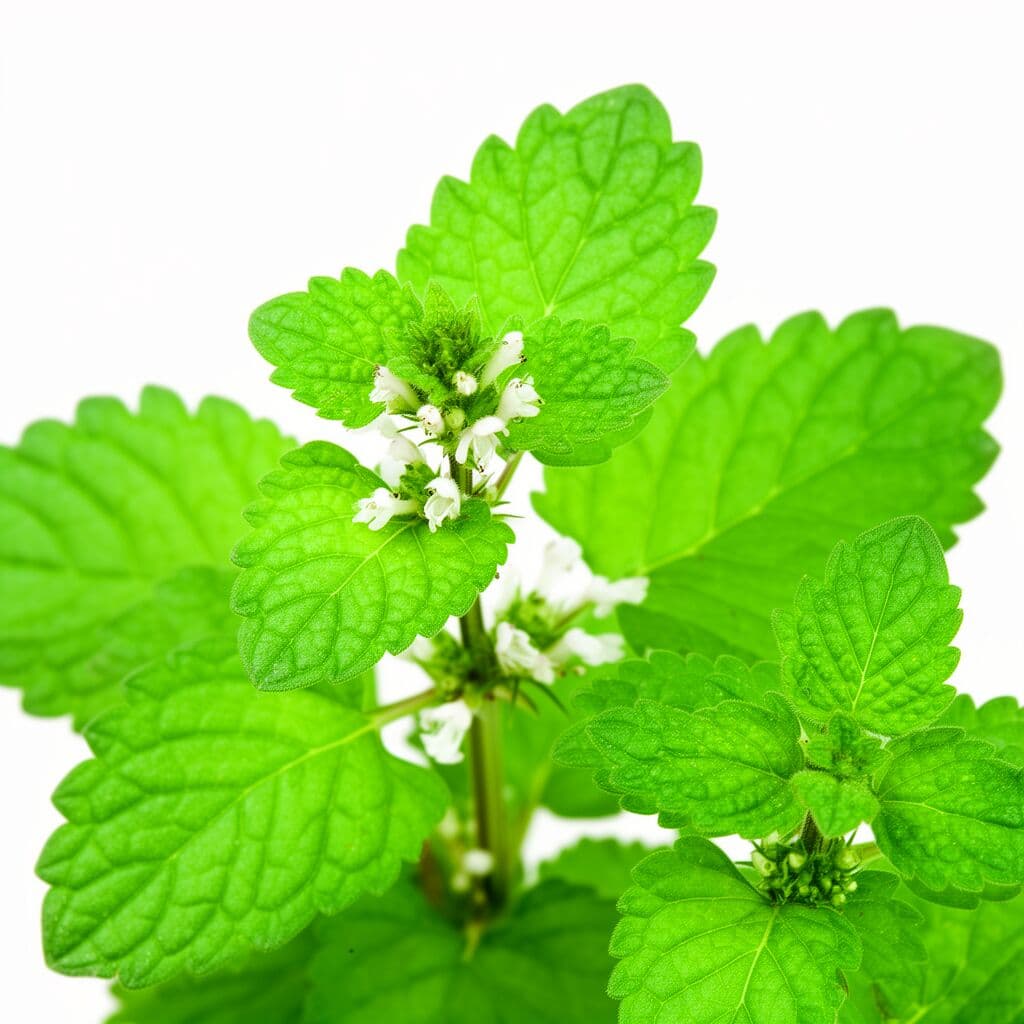
Lemon balm leaves with serrated edges on a garden plant

Lemon Balm

Melissa officinalis

Lemon balm is a perennial herb in the mint family with a documented history of medicinal use stretching back over 2,000 years in Greek and Arab medicine. Its leaves are rich in rosmarinic acid and flavonoids that exert direct anti-inflammatory and antiviral effects on skin tissue, making it one of the most evidence-supported herbs for soothing itchy, irritated, or bite-affected skin. The name 'Melissa' is Greek for honeybee — ancient beekeepers rubbed it on hive entrances to attract swarms.

Key Properties

Anti-inflammatory (rosmarinic acid)AntiviralAntioxidantCalmingMild analgesic

Traditional Uses

  • Soothing insect bites and skin irritation
  • Topical antiviral for cold sores (Herpes simplex)
  • Calming nervous system tension
  • Sleep and anxiety support (internal)

Lemon balm was listed in the 14th-century herbal reference 'Regimen Sanitatis Salernitanum' as a remedy for bug stings — one of the earliest written endorsements of a use it still excels at today.

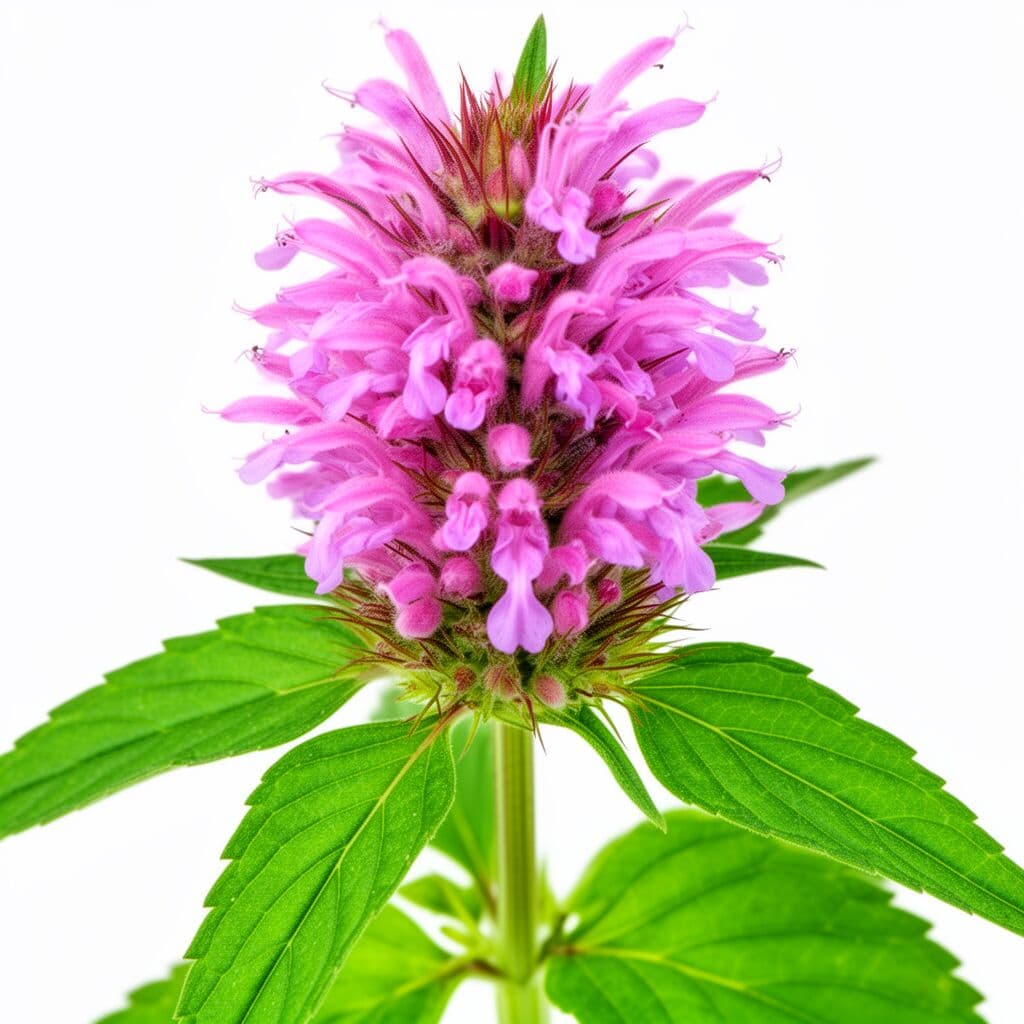
Monarda citriodora lemon beebalm with lavender-pink flower whorls

Lemon Mint

Monarda citriodora

Monarda citriodora — known as lemon mint, lemon beebalm, or lemon horsemint — is a wildflower native to the central and southern United States, historically used by numerous Native American tribes for skin conditions and as an insect repellent. It belongs to the same aromatic family as oregano and thyme and contains thymol and carvacrol, potent antimicrobial compounds that act against a broad spectrum of bacteria and fungi. The lemon-mint aroma is softer than peppermint, making it suitable for sensitive skin formulations.

Key Properties

Antimicrobial (thymol, carvacrol)AntifungalAnti-inflammatoryInsect-deterring aromaticGentle cooling

Traditional Uses

  • Native American topical treatment for skin conditions
  • Natural insect deterrent
  • Antimicrobial wound care
  • Mild respiratory support

Several Native American tribes, including the Zuni and Keres peoples, used Monarda species as both a medicinal herb and a flavoring for wild game — a culinary-medicinal overlap that mirrors basil's dual role.

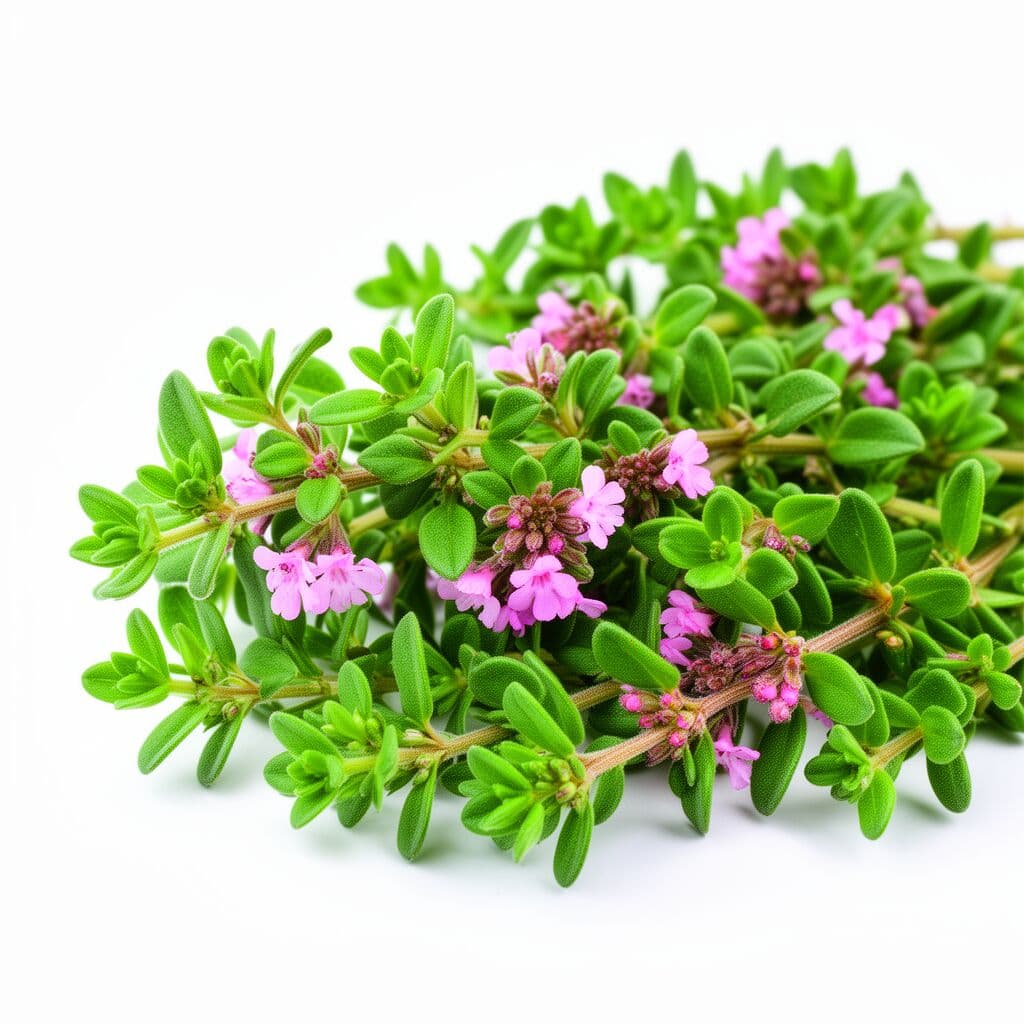
Lemon thyme with tiny oval leaves and a woody stem

Lemon Thyme

Thymus citriodorus

Lemon thyme is a hybrid of common thyme and wild thyme with a pronounced citrus-herb aroma that distinguishes it from its culinary relatives. Like all thymes, it is rich in thymol and carvacrol — two of the most well-documented antimicrobial phenols in the plant world, effective against a broad range of bacteria, fungi, and some viruses. In European herbal tradition it has been used specifically for respiratory conditions, as an expectorant and airway-clearing herb, making it a natural fit in a breathing support formula.

Key Properties

Antimicrobial (thymol, carvacrol)ExpectorantAntifungalAnti-inflammatoryAntioxidantAntispasmodic

Traditional Uses

  • Respiratory infection and congestion relief
  • Expectorant — loosening and clearing mucus
  • Antimicrobial support for coughs and sinus infections
  • Antifungal topical care

Thymol — derived from thyme — was the primary active ingredient in Listerine mouthwash when it was first formulated in 1879 and remains in the formula today, one of the few plant-derived compounds to survive in a mass commercial product in its original form.

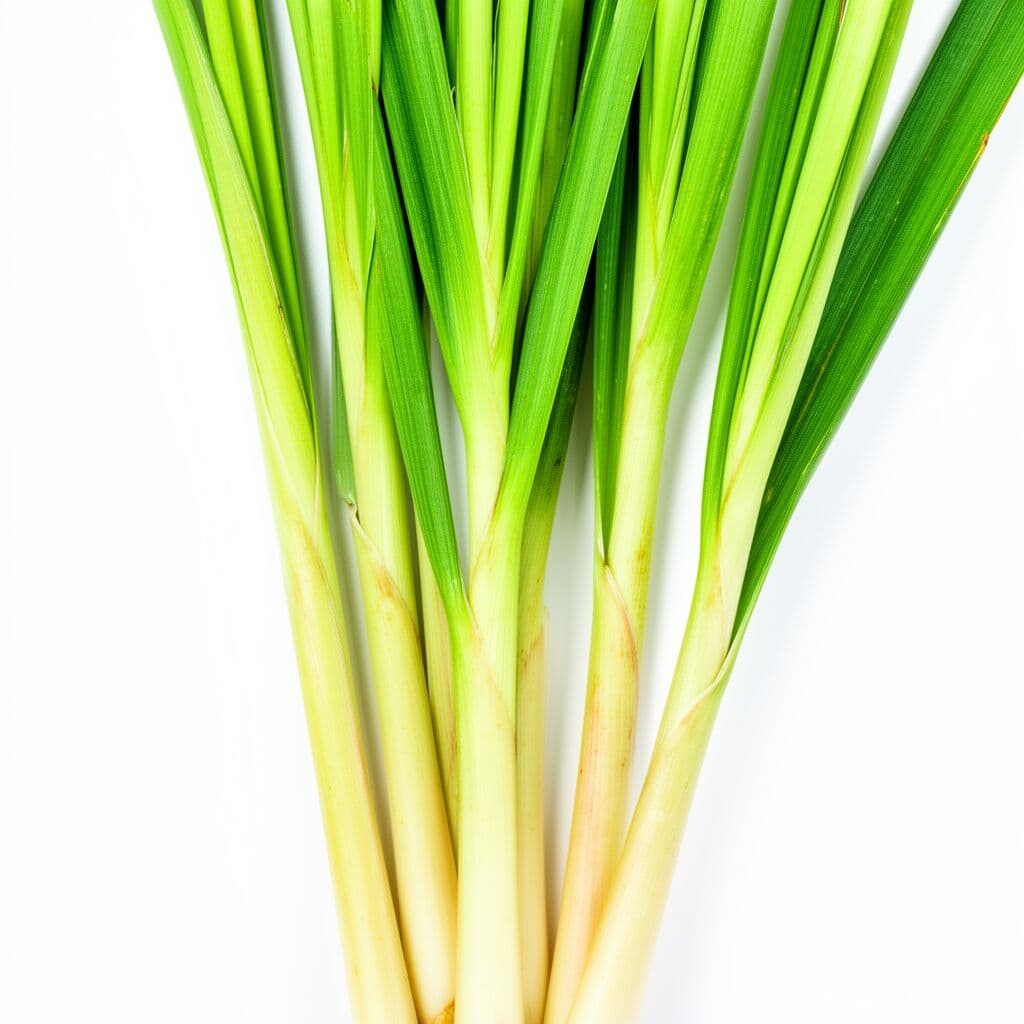
Fresh lemongrass stalks with vibrant green leaves

Lemongrass

Cymbopogon citratus

Lemongrass is a tall tropical grass native to South and Southeast Asia, long used in Ayurvedic and traditional Thai medicine for skin conditions, fever, and pain. Its leaves are exceptionally rich in citral (60–80% of the essential oil fraction), the compound responsible for its sharp lemony aroma and powerful antimicrobial action. Topically, citral interacts with TRPM8 cold-sensing receptors to produce a subtle cooling sensation similar to menthol, without the intensity.

Key Properties

AntimicrobialAntifungalCooling (TRPM8 activation via citral)AstringentMild analgesic

Traditional Uses

  • Topical antimicrobial for minor skin irritation
  • Natural insect deterrent
  • Cooling relief for inflamed or itchy skin
  • Fever reduction in traditional Southeast Asian medicine

The citral in lemongrass is the same aroma compound used as the 'alarm pheromone' by honeybees — one reason it has a long history as a natural insect deterrent.

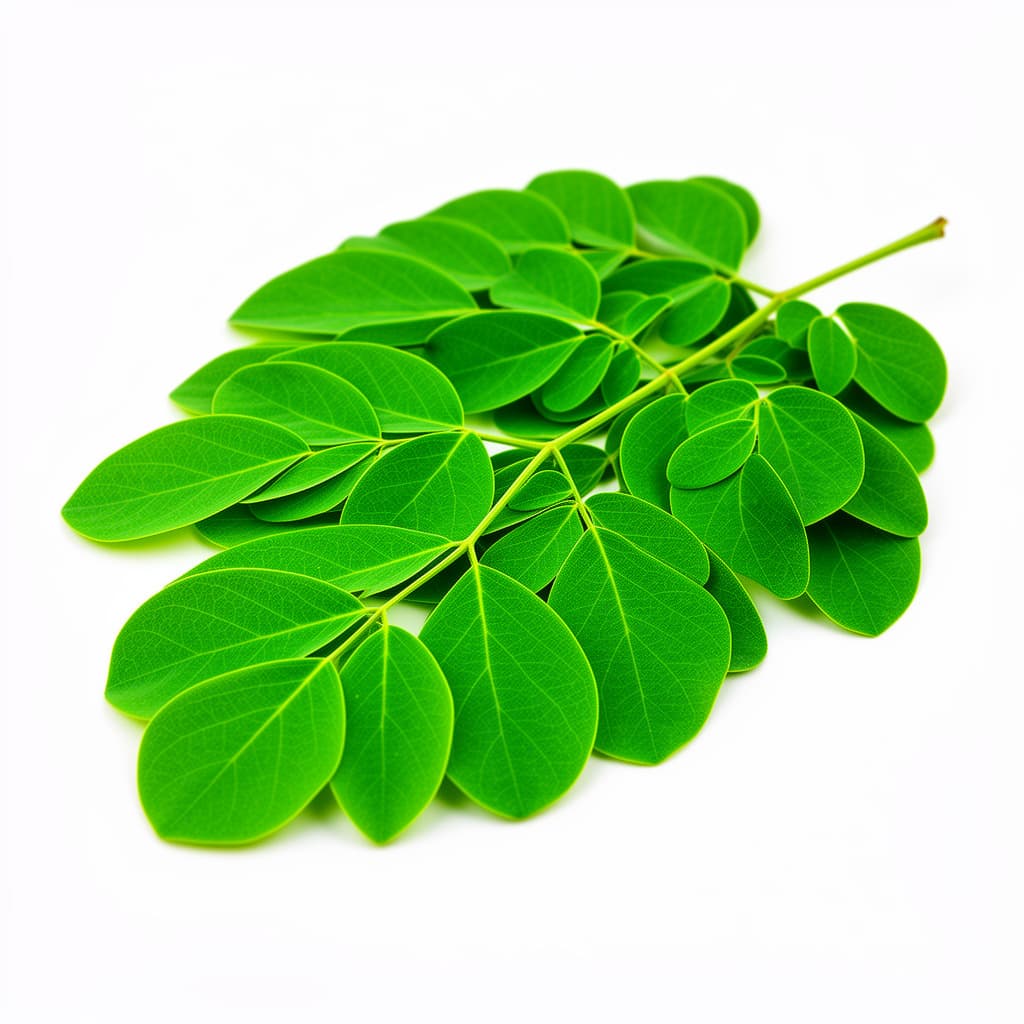
Fresh moringa leaves on a branch, bright green against natural light

Moringa

Moringa oleifera

Moringa is a fast-growing tropical tree native to the Indian subcontinent, often called the 'miracle tree' for the remarkable density of bioactive compounds in its leaves, seeds, and bark. The leaves contain over 90 nutrients and 46 antioxidants, including quercetin, kaempferol, chlorogenic acid, and zeatin — a cytokinin that has been studied for its ability to slow cellular aging in skin tissue. Moringa oil, pressed from its seeds, is exceptionally rich in behenic acid and oleic acid, giving it a penetration profile rivaling that of argan oil.

Key Properties

Anti-inflammatory (quercetin, kaempferol)Antioxidant (chlorogenic acid, beta-carotene)AntimicrobialEmollient and deeply penetratingSkin-regenerating (zeatin cytokinin)

Traditional Uses

  • Wound healing and skin regeneration in Ayurvedic medicine
  • Topical anti-inflammatory for dermatitis and eczema
  • Antimicrobial treatment for infected skin
  • Nutritive leaf poultice for dry or damaged skin

Gram for gram, moringa leaves contain more vitamin C than oranges, more calcium than milk, and more potassium than bananas — earning it recognition by the WHO as a high-priority crop for addressing malnutrition in tropical regions.

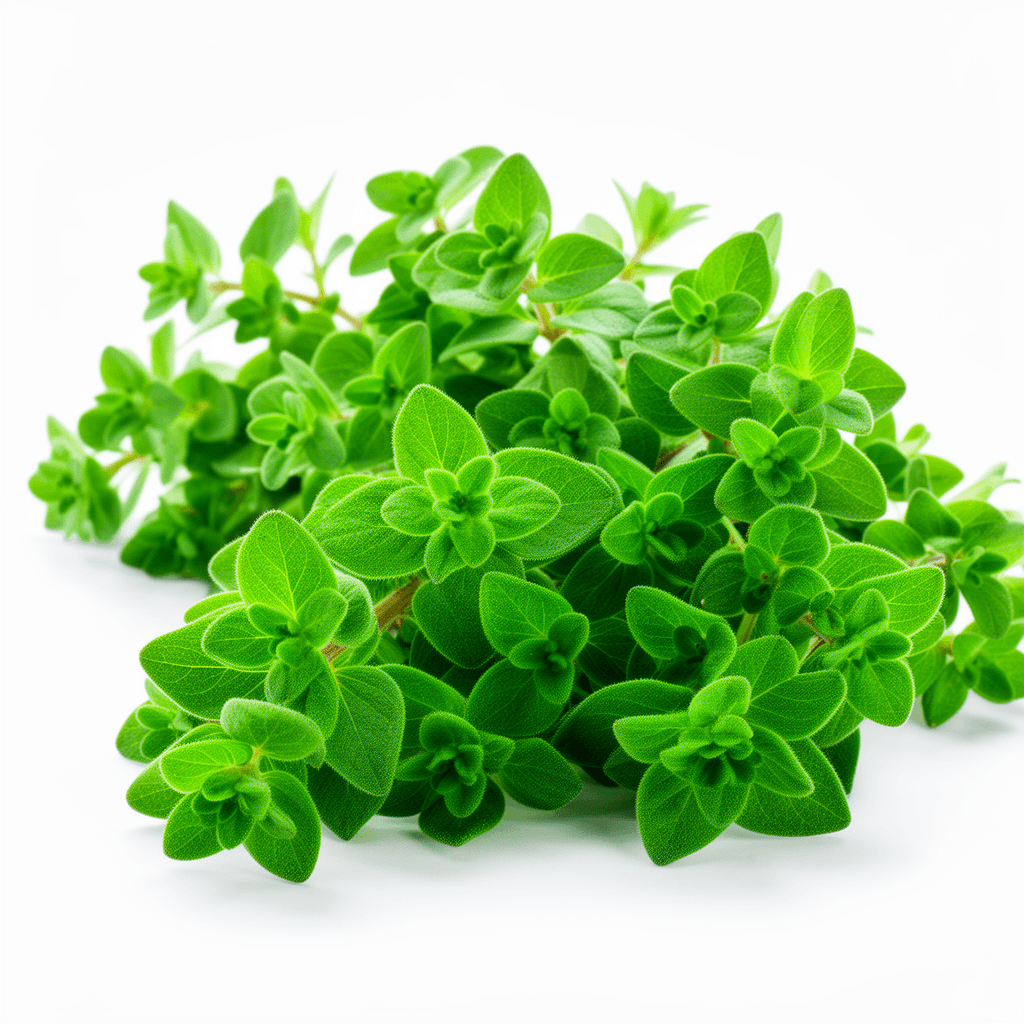
Oregano plant with small oval aromatic leaves and woody stems

Oregano

Origanum vulgare

Oregano is one of the most medicinally potent herbs in the Lamiaceae family, with an essential oil profile dominated by carvacrol and thymol — two phenolic compounds among the most studied for antimicrobial, antifungal, and anti-inflammatory properties. Native to the Mediterranean but naturalized in warm climates worldwide, oregano has been used in traditional medicine for thousands of years as a respiratory herb, wound treatment, and general antimicrobial. Its medicinal strength far exceeds its culinary familiarity.

Key Properties

AntimicrobialAntifungalAnti-inflammatoryAntioxidantCarminative

Traditional Uses

  • Antimicrobial treatment for minor skin infections
  • Traditional respiratory support and decongestant
  • Anti-inflammatory poultice for wounds and joint pain
  • Antifungal skin applications

Oregano's name comes from the Greek 'oros ganos' — joy of the mountain. Ancient Greeks believed it was created by Aphrodite as a symbol of happiness.

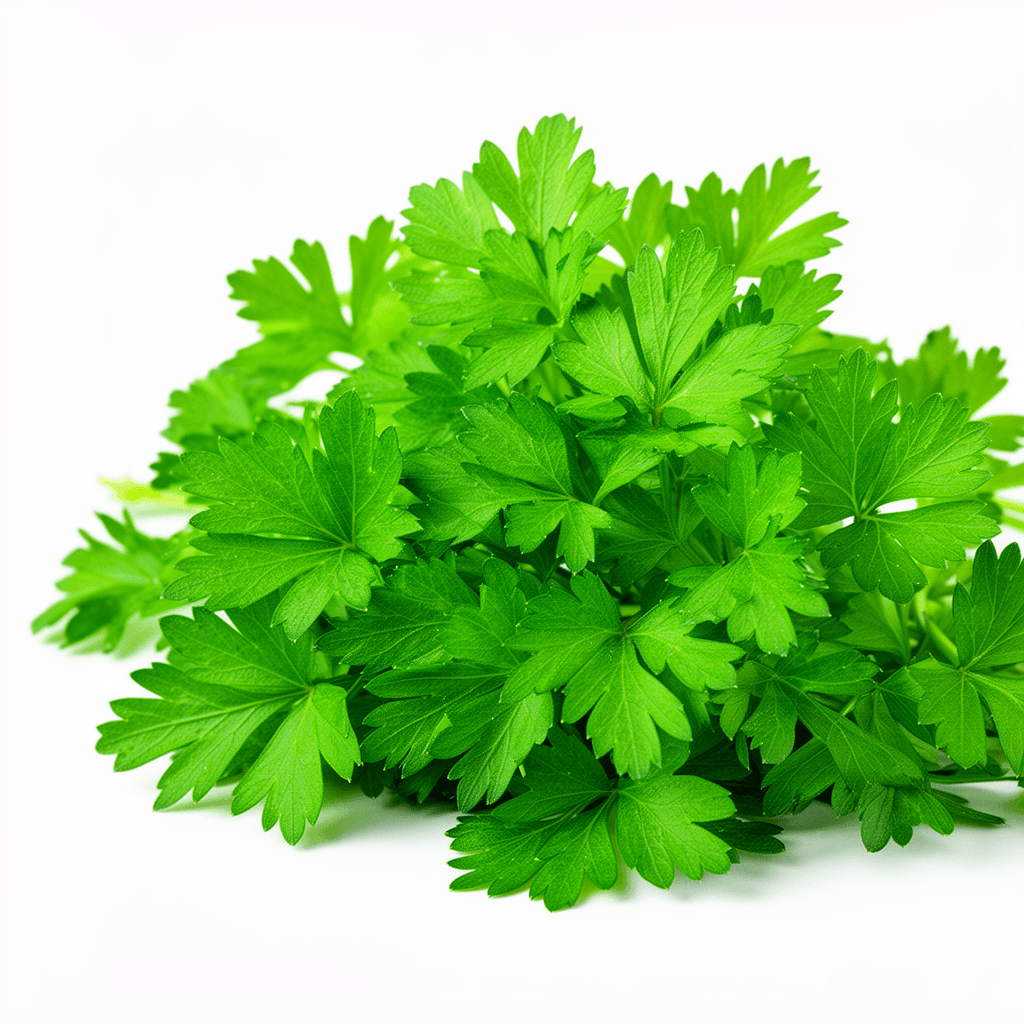
Fresh bright green curly parsley growing in garden

Parsley

Petroselinum crispum

Parsley is far more than a garnish — it is one of the most nutrient-dense herbs in the garden, packed with vitamins K, C, and A, flavonoids including apigenin and luteolin, and volatile oils such as myristicin, limonene, and eugenol. In traditional herbalism from the Mediterranean to the Middle East, parsley has been used as a diuretic, anti-inflammatory, and skin brightener. Apigenin, one of parsley's primary flavonoids, has been studied extensively for its anti-inflammatory and antioxidant activity with documented effects on skin health.

Key Properties

Anti-inflammatoryAntioxidantSkin-brighteningDiureticAntimicrobial

Traditional Uses

  • Traditional diuretic and kidney tonic
  • Anti-inflammatory for joints and skin
  • Topical skin brightener in Mediterranean folk medicine
  • Antioxidant skin support
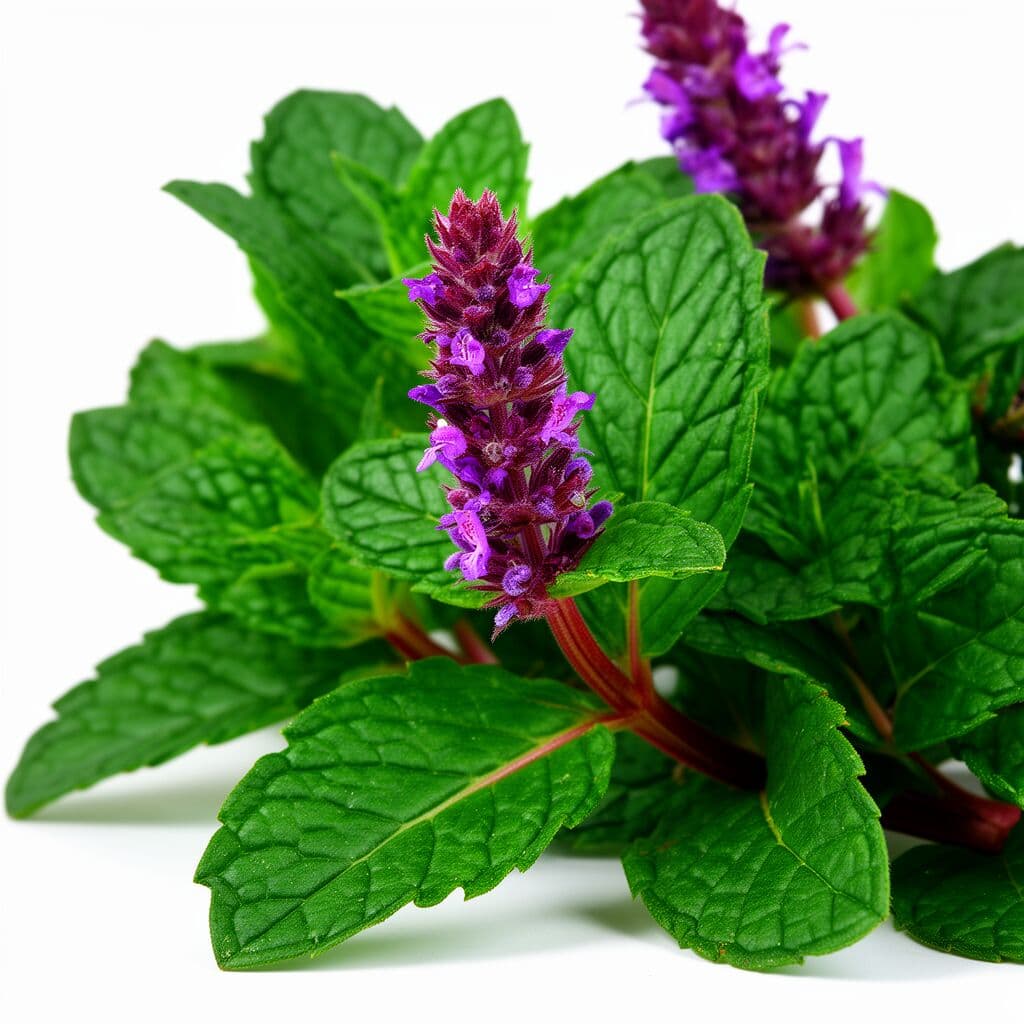
Peppermint plant with dark green serrated leaves and purple stem

Peppermint

Mentha x piperita

Peppermint is a natural hybrid of watermint and spearmint, cultivated medicinally for at least 2,000 years and one of the most extensively studied aromatic herbs in Western medicine. Its menthol content (35–55% of the essential oil) activates TRPM8 cold-sensing receptors in the skin, producing a powerful cooling sensation without actually lowering tissue temperature. Beyond the cooling effect, peppermint demonstrates meaningful anti-inflammatory and analgesic action, making it valuable in both respiratory and musculoskeletal formulas.

Key Properties

Cooling (menthol activates TRPM8 receptors)Anti-inflammatoryAnalgesicAntimicrobialDecongestantAntispasmodic

Traditional Uses

  • Cooling and soothing inflamed skin
  • Topical headache and tension relief
  • Opening congested airways (chest and temple application)
  • Muscle pain relief

Menthol's cooling effect is so powerful that even imagining the smell of peppermint has been shown in some studies to reduce perceived temperature — the brain is that responsive to the association.

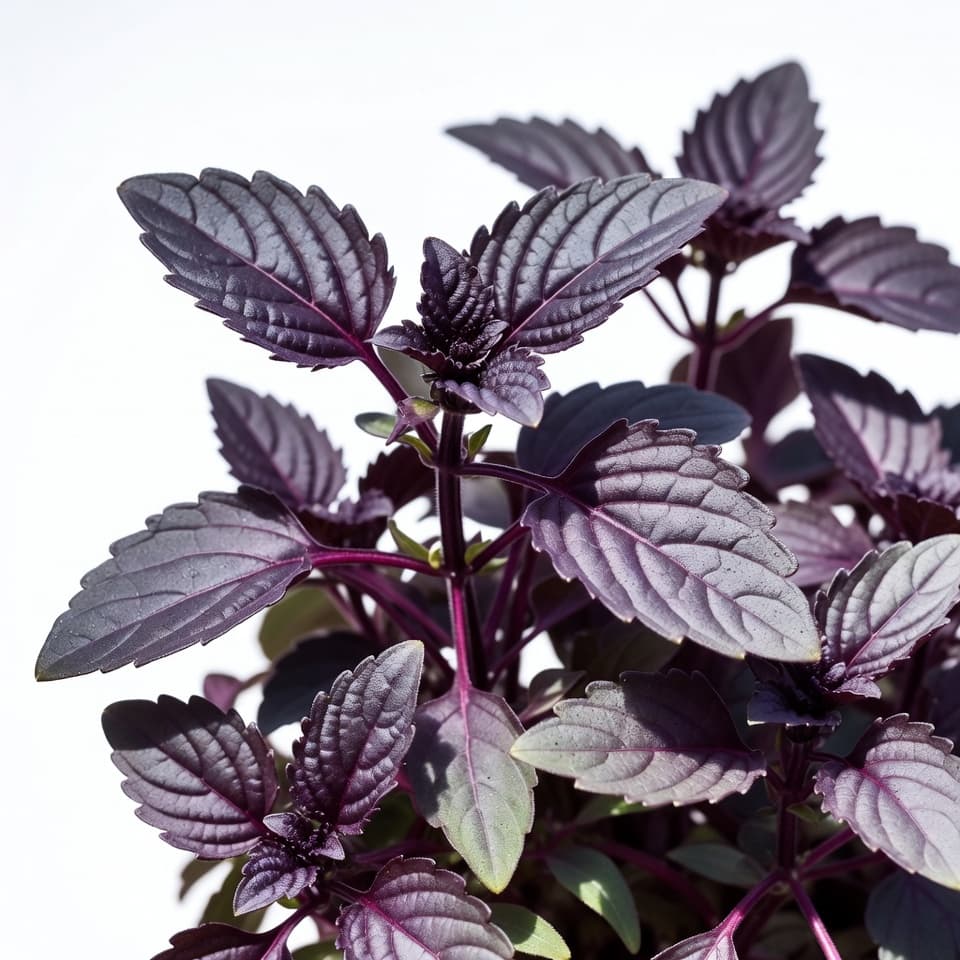
Purple basil plant with deep burgundy-red aromatic leaves

Purple Basil

Ocimum basilicum 'Purpurascens'

Purple basil is a striking ornamental and medicinal variety of Ocimum basilicum, distinguished by its deep burgundy leaves, higher anthocyanin content, and a slightly spicier, more complex aromatic profile than sweet basil. The anthocyanins responsible for its color are potent antioxidants and anti-inflammatory agents, layering additional skin-protective benefit on top of the eugenol and linalool shared with its green counterparts. Like all basils, purple basil thrives in the heat and humidity of Florida summers.

Key Properties

Anti-inflammatory (eugenol)Antioxidant (anthocyanins)AntimicrobialAromaticSkin-soothing

Traditional Uses

  • Anti-inflammatory topical applications
  • Antioxidant skin support
  • Antimicrobial wound and skin care
  • Aromatic nervine in traditional herbalism
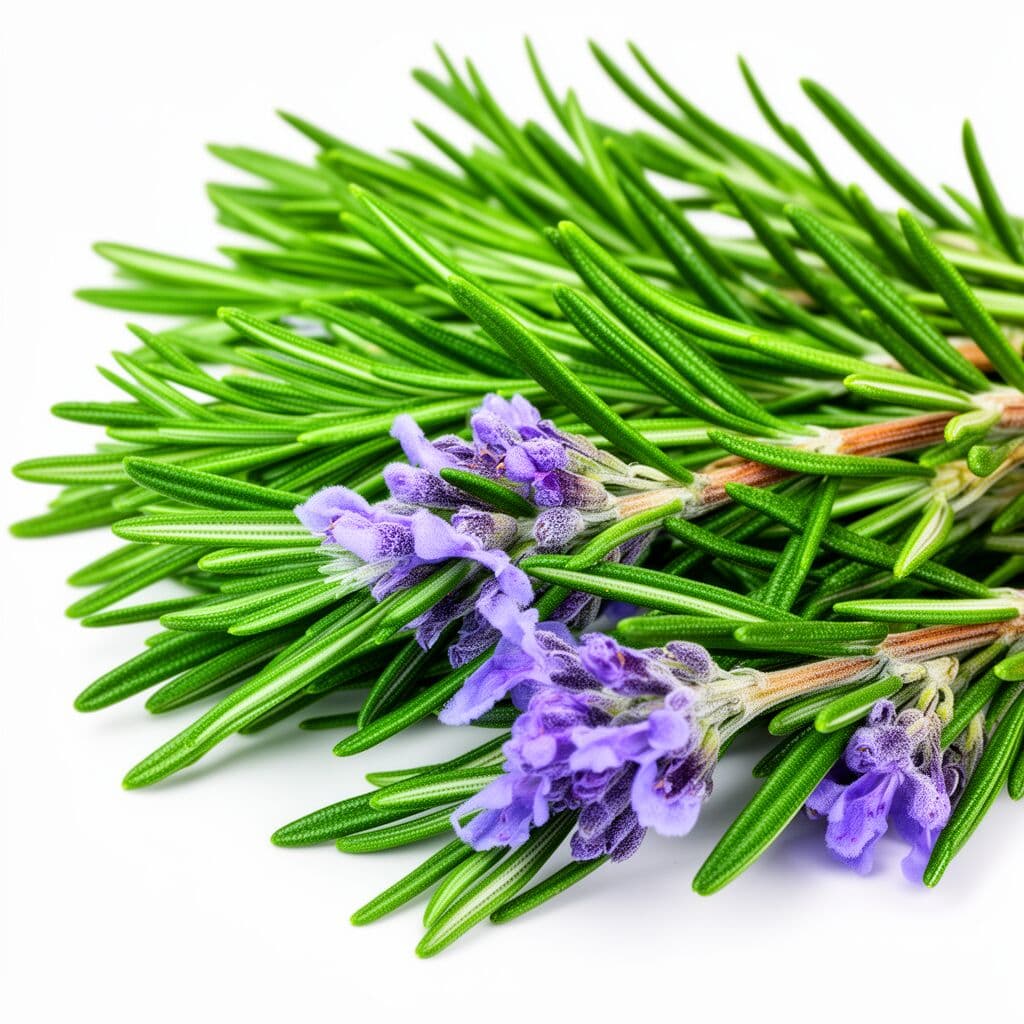
Rosemary sprigs with narrow silver-green aromatic leaves

Rosemary

Rosmarinus officinalis

Rosemary is a woody Mediterranean perennial with one of the richest antioxidant profiles in the herb world, driven by carnosic acid and rosmarinic acid — both of which actively scavenge free radicals that prolong post-bite and post-exercise inflammation. Beyond its therapeutic role, rosemary acts as a natural preservative in infused oils: its antioxidant compounds inhibit oxidation of the carrier oil, extending shelf life without synthetic additives. Emerging research also suggests it modulates pain signaling through the prostaglandin pathway.

Key Properties

Antioxidant (carnosic acid, rosmarinic acid)Anti-inflammatoryAnalgesicAntimicrobialNatural preservativeMild circulatory stimulant

Traditional Uses

  • Topical circulatory stimulant for muscle pain
  • Antioxidant skin protection
  • Natural preservative in botanical preparations
  • Pain relief (analgesic)

Rosemary's botanical name derives from the Latin 'ros maris' — dew of the sea — a reference to its Mediterranean coastal origins where it grows wild along sea cliffs.

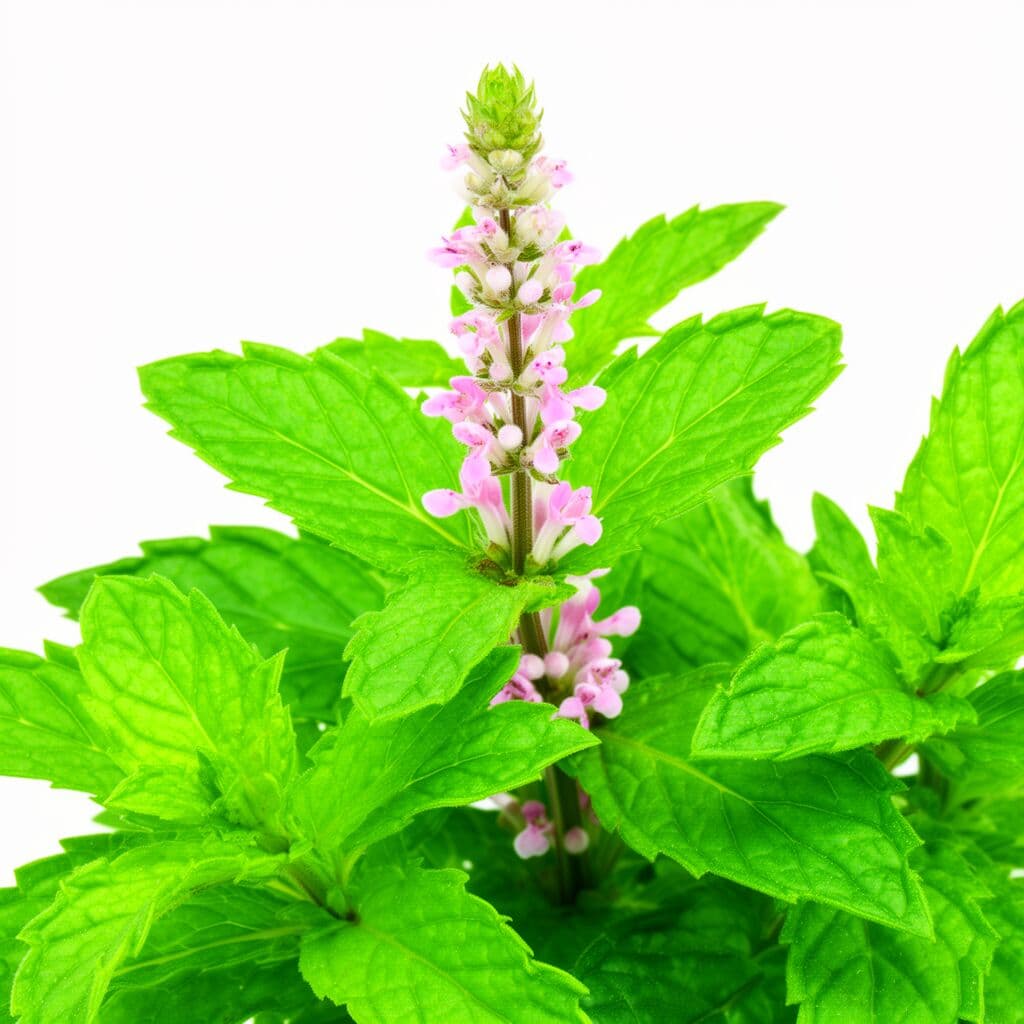
Spearmint plant with bright green pointed leaves and upright stems

Spearmint

Mentha spicata

Spearmint is one of the oldest cultivated mints, with medicinal records dating to ancient Greece and Rome where it was used for skin conditions, digestive complaints, and respiratory infections. Unlike peppermint, its primary aromatic compound is carvone rather than menthol, giving it a gentler, sweeter cooling effect that is less intense and better tolerated by children and sensitive skin. It still provides meaningful anti-inflammatory and antimicrobial action while offering a more rounded aromatic profile that blends smoothly with other herbs.

Key Properties

Cooling (carvone — gentler than menthol)Anti-inflammatoryAntimicrobialAntioxidantAntispasmodic

Traditional Uses

  • Gentle cooling for skin irritation
  • Respiratory congestion relief
  • Digestive support (internal)
  • Headache relief

The word 'spear' in spearmint refers to the pointed shape of its leaves — the Latin 'spicata' means 'having spikes' — distinguishing it from the rounder-leafed peppermint.

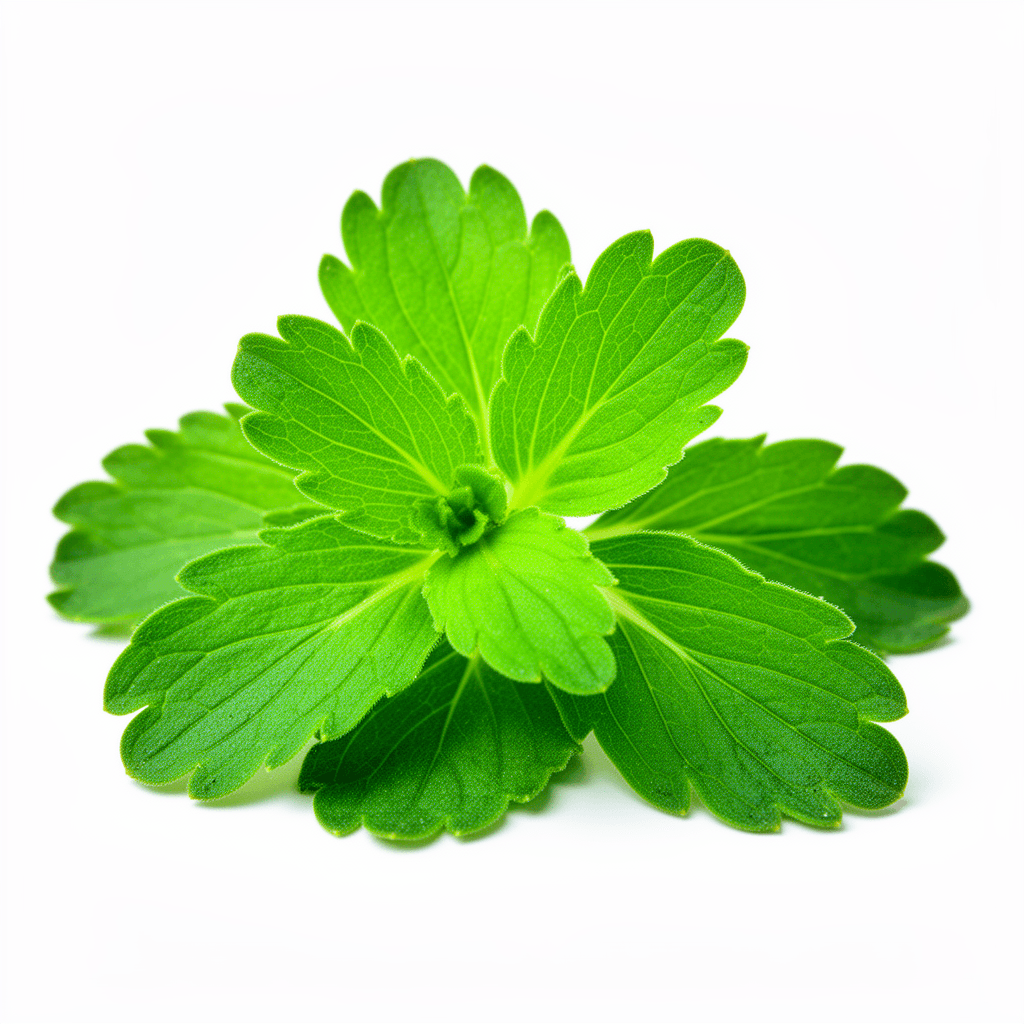
Stevia plant with small bright green oval serrated leaves

Stevia

Stevia rebaudiana

Stevia rebaudiana is a small perennial herb in the Asteraceae family, native to Paraguay and Brazil, where the Guaraní people have used its leaves as a sweetener and medicinal herb for centuries. Its extraordinary sweetness — 200–300 times sweeter than sucrose — comes from steviol glycosides that pass through the body without caloric impact. Beyond sweetening, stevia demonstrates anti-inflammatory, antimicrobial, and antioxidant activity, and is one of the most vigorous warm-season producers in InVine's Florida garden.

Key Properties

AntimicrobialAnti-inflammatoryAntioxidantNatural sweetener (steviol glycosides)Skin-soothing

Traditional Uses

  • Traditional Guaraní sweetener and medicinal herb for centuries
  • Topical wound care in South American folk medicine
  • Antimicrobial skin applications
  • Anti-inflammatory herb in traditional practice

The Guaraní people of Paraguay have called stevia 'ka'a he'ê' — meaning 'sweet herb' — for at least 1,500 years, using it to sweeten bitter medicinal teas long before the wider world became aware of the plant.

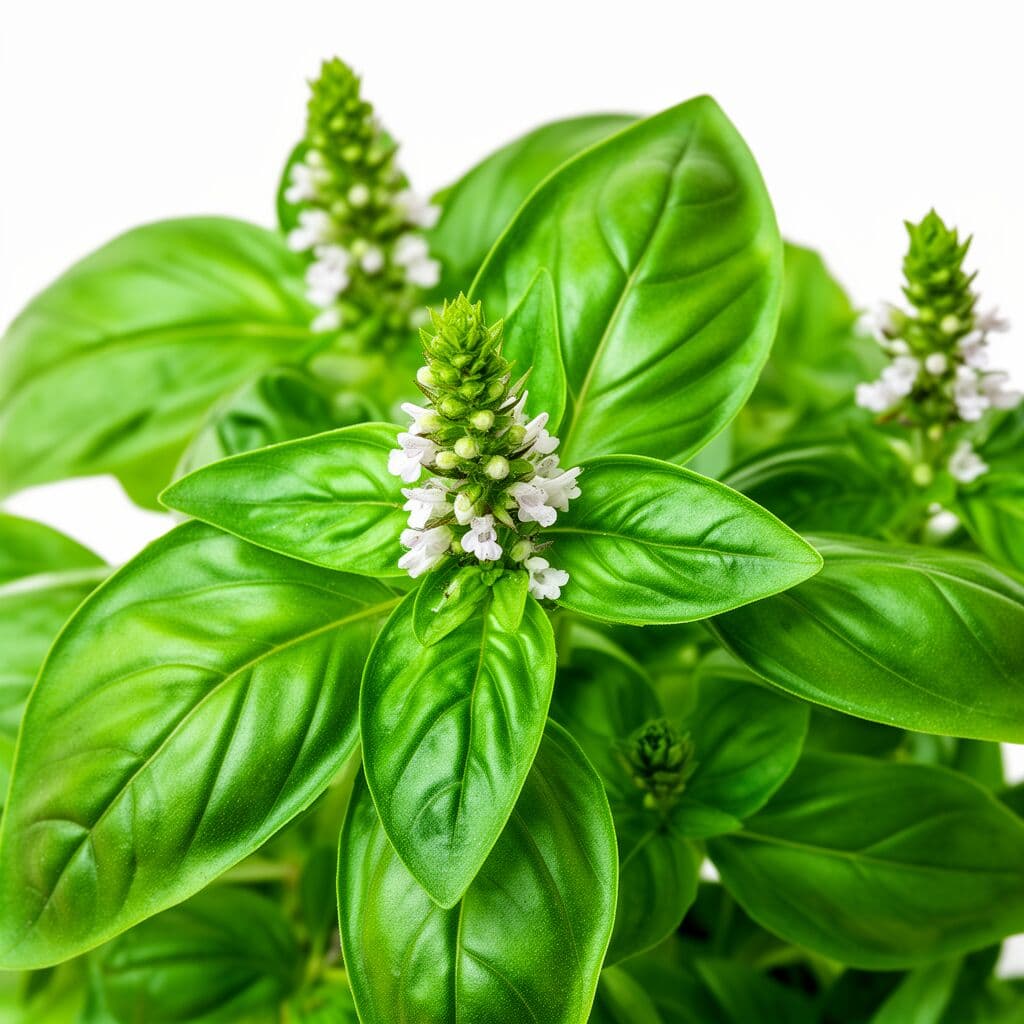
Sweet Basil — bright green aromatic leaves

Sweet Basil

Ocimum basilicum

Sweet basil is sacred in Ayurvedic tradition and has been used medicinally across South Asia, the Mediterranean, and Africa for centuries. Its leaves contain eugenol — the same active compound found in cloves — which functions as a natural COX-2 inhibitor with documented anti-inflammatory and analgesic effects comparable in mechanism (though not in potency) to pharmaceutical NSAIDs. It also contains significant linalool, which has calming effects on skin receptors and reduces the sensation of itch and discomfort.

Key Properties

Anti-inflammatory (eugenol, COX-2 inhibition)AnalgesicAntimicrobialAntioxidantCalming (linalool)

Traditional Uses

  • Reducing skin inflammation from insect bites
  • Topical analgesic for stings and minor wounds
  • Antiseptic wound care
  • Headache relief (applied to temples)

The word 'basil' derives from the Greek 'basileus' — king. In ancient Greece and Rome it was considered the king of herbs and was used medicinally long before it became a kitchen staple.

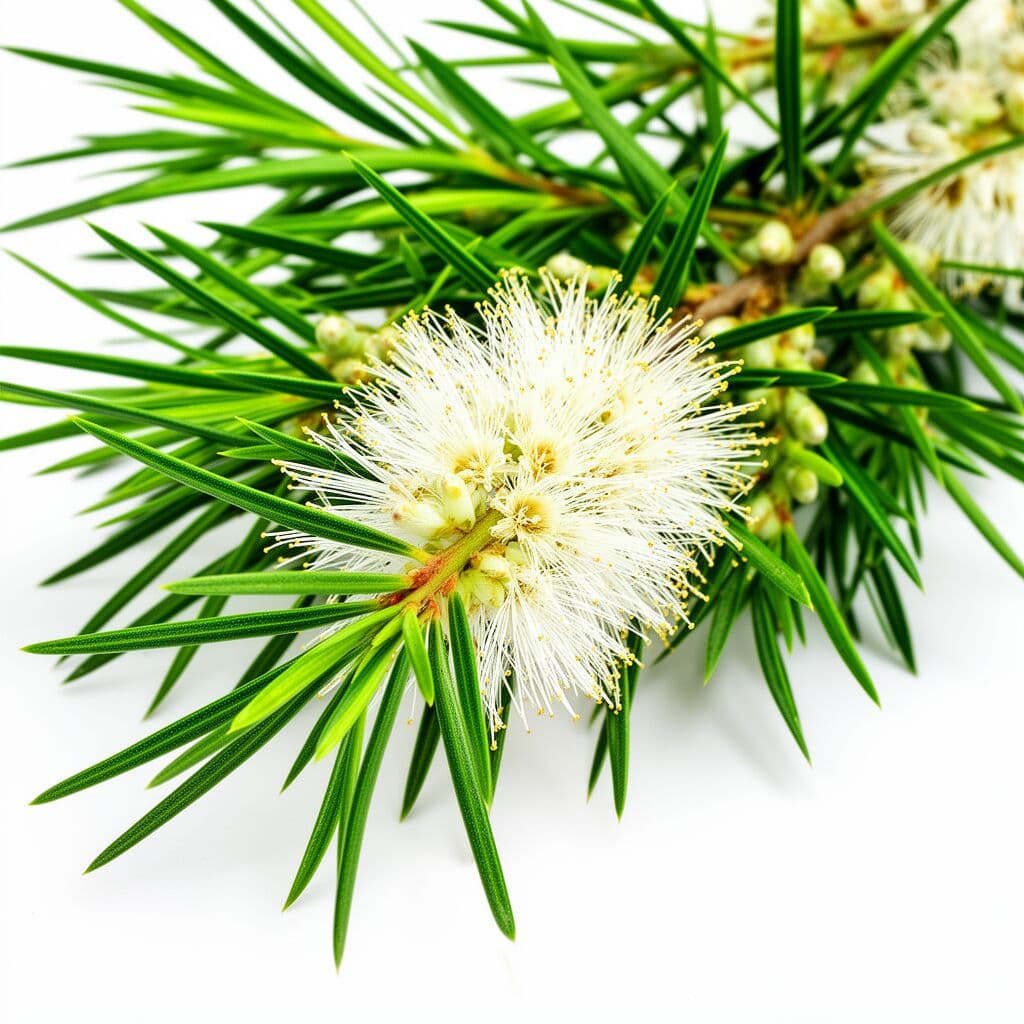
Tea tree branch with narrow leaves and papery white bark

Tea Tree

Melaleuca alternifolia

Tea tree is native to coastal Australia and has been used medicinally by Aboriginal Australians for thousands of years, traditionally by crushing leaves and applying them directly to wounds and skin infections. Its primary active compound, terpinen-4-ol, has been studied extensively and shown to inhibit a broad range of pathogens including Staphylococcus aureus — the bacteria most commonly associated with secondary infections from scratched bug bites. Used as a carefully dosed essential oil (not infused) in Bug Bite Balm, where its concentrated antimicrobial action is most efficiently delivered.

Key Properties

Antimicrobial (terpinen-4-ol — broad spectrum)AntifungalAnti-inflammatorySkin-soothingAntiseptic

Traditional Uses

  • Antimicrobial wound care and infection prevention
  • Topical antifungal treatment
  • Insect bite and sting treatment
  • Skin inflammation and acne

During World War II, tea tree oil was included in the standard issue first aid kit for Australian soldiers serving in tropical climates — one of the earliest documented uses of a botanical in military medical supply.

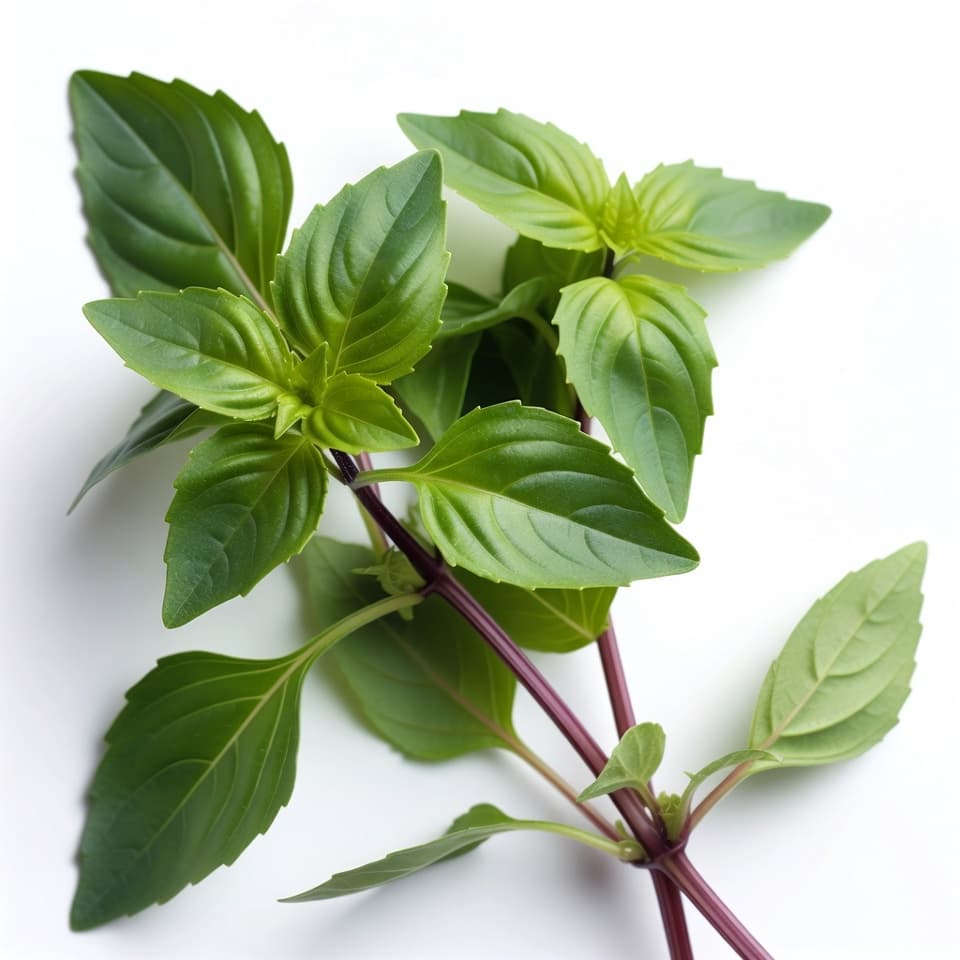
Thai basil plant with glossy green leaves, purple stems, and flower buds

Thai Basil

Ocimum basilicum var. thyrsiflora

Thai basil is a distinct variety of Ocimum basilicum with a characteristically anise-like, slightly spicy aroma driven by estragole rather than the eugenol dominant in sweet basil — giving it a different yet complementary medicinal profile. It is a cornerstone herb in Southeast Asian cuisine and traditional medicine, used topically and internally for its anti-inflammatory, antimicrobial, and adaptogenic properties. Thai basil is notably more heat-tolerant than sweet basil, making it an ideal summer producer in Florida's intense growing season.

Key Properties

Anti-inflammatoryAntimicrobialAdaptogenicAromaticAntioxidant

Traditional Uses

  • Topical anti-inflammatory in Thai and Vietnamese traditional medicine
  • Antimicrobial herb for minor skin conditions
  • Adaptogenic support in Ayurvedic traditions
  • Aromatic remedy for respiratory congestion

Unlike sweet basil, Thai basil holds its flavor under heat — making it as useful in a hot infusion as it is in a bowl of pho or a Thai curry.

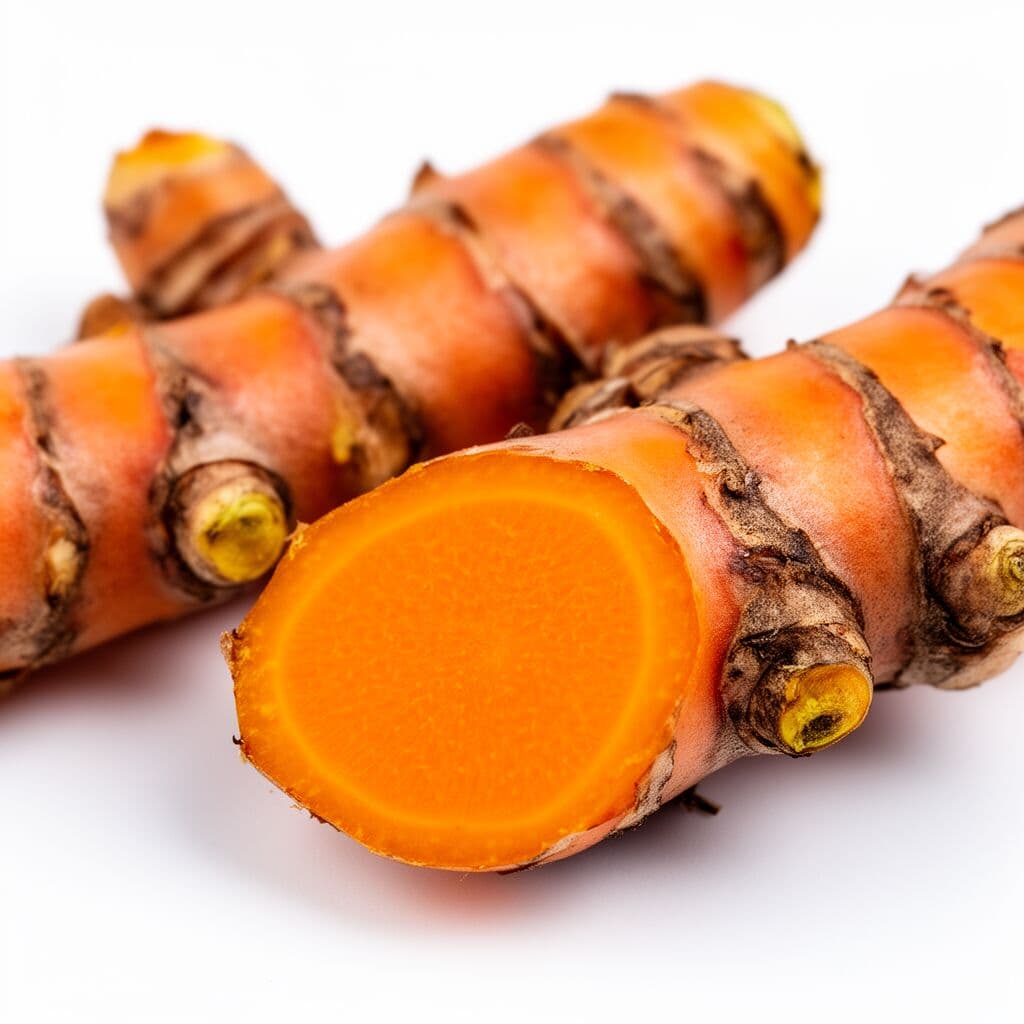
Turmeric root sliced open to reveal vivid orange interior

Turmeric

Curcuma longa

Turmeric has been central to Ayurvedic medicine for over 4,000 years and is one of the most researched botanical anti-inflammatories in modern pharmacology. Curcumin, its primary bioactive compound, inhibits nuclear factor-κB (NF-κB) — a master regulator of inflammatory gene expression — making it one of the few plant compounds with a clearly defined molecular mechanism of action comparable to pharmaceutical anti-inflammatories. When combined with black pepper (as in Muscle Revive Balm), piperine dramatically enhances curcumin's bioavailability and dermal absorption.

Key Properties

Anti-inflammatory (curcumin — NF-κB inhibition)AntioxidantAnalgesicAntimicrobialWound-healing support

Traditional Uses

  • Anti-inflammatory for joint pain and arthritis (Ayurvedic)
  • Topical wound healing and skin inflammation
  • Muscle pain and stiffness
  • Digestive support (internal)

Piperine from black pepper can increase curcumin's bioavailability by up to 2,000% — a synergy that was observed in Ayurvedic medicine thousands of years before the biochemical mechanism was identified.

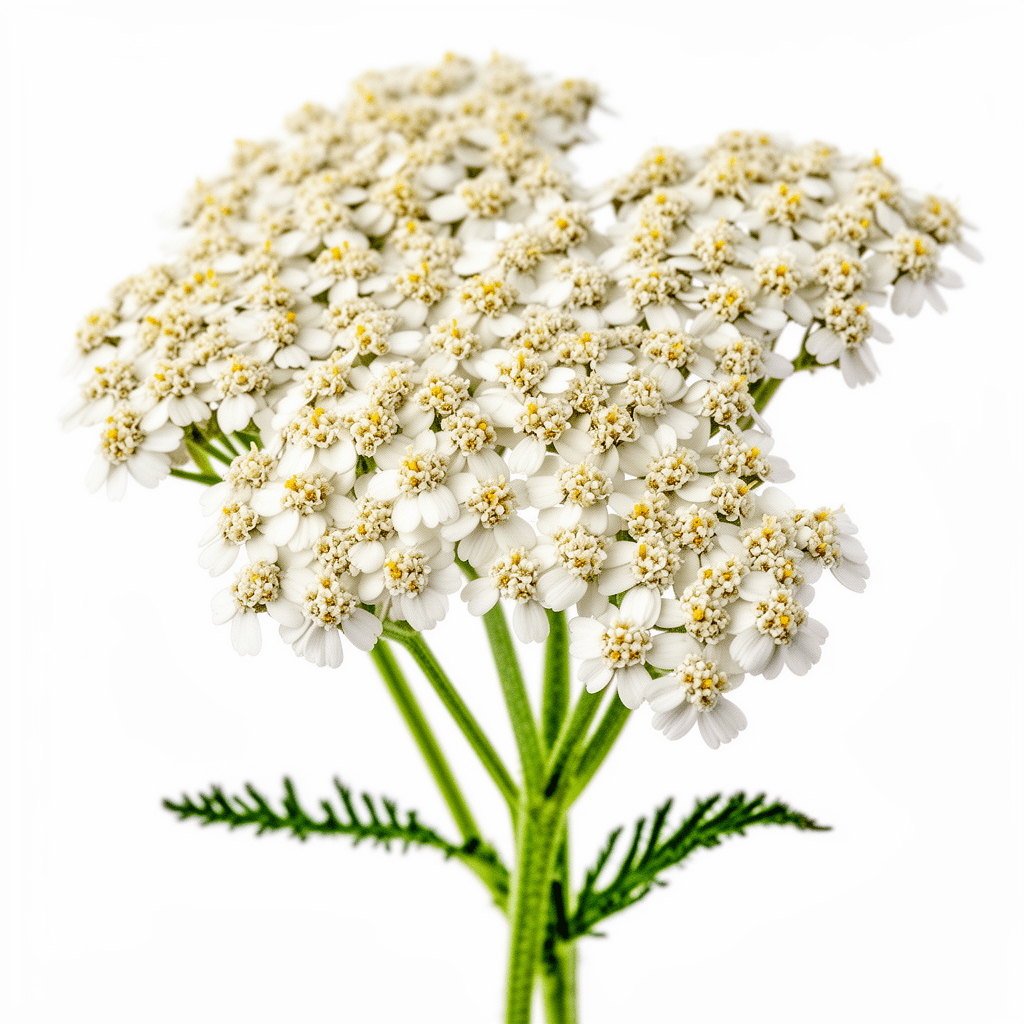
White yarrow with flat-topped clusters of tiny white flowers and feathery foliage

Yarrow, White

Achillea millefolium

White yarrow (Achillea millefolium) is one of the oldest medicinal herbs on record — its use has been documented for over 60,000 years, evidenced by yarrow pollen found with Neanderthal remains at a burial site in Shanidar Cave, Iraq. Named for Achilles, who legend holds used it to staunch the wounds of his soldiers, yarrow remains one of the finest wound herbs in the botanical world. Its active compounds — achillin, azulene, and flavonoids — are strongly anti-inflammatory, antimicrobial, and hemostatic.

Key Properties

Hemostatic (stops bleeding)Anti-inflammatoryAntimicrobialVulnerary (wound-healing)Antispasmodic

Traditional Uses

  • Wound healing and staunching bleeding across global traditions
  • Anti-inflammatory poultice for bruises, sprains, and skin irritation
  • Traditional fever herb across European and Native American medicine
  • Antimicrobial topical for minor infections

Yarrow's botanical name, Achillea, refers to the Greek hero Achilles. Ancient accounts describe him using yarrow to treat the wounds of his soldiers during the Trojan War — a tradition echoed across countless cultures on every continent where the plant grows wild.

From Garden to Jar

How We Source

Almost every herb that goes into an InVine Botanicals formula is grown in our own Florida garden — lemongrass, lemon balm, rosemary, sweet basil, lemon mint, peppermint, spearmint, lemon thyme, ginger, turmeric, and cayenne. Black pepper is sourced from a trusted supplier. If we grow it, we know exactly when it was harvested and how it was dried.

We harvest at peak potency — typically just before or at first flowering, when aromatic and medicinal compound concentration is highest — then dry the herbs carefully before beginning the infusion. The infusion itself is slow: whole dried herbs steeped in cold-extracted organic oils for at least 8 weeks. There are no shortcuts in this step.

The sourced ingredients are chosen with the same care. Our beeswax comes from a local Tallahassee beekeeper. The carrier oils — organic olive oil and organic coconut oil — are sourced from trusted organic producers. Black pepper, essential oils (tea tree, eucalyptus, peppermint, and lavender), and vitamin E oil are sourced from reputable suppliers. Everything that isn’t grown here is chosen with the same intention as everything that is.