Botanical Ingredient
Echinacea
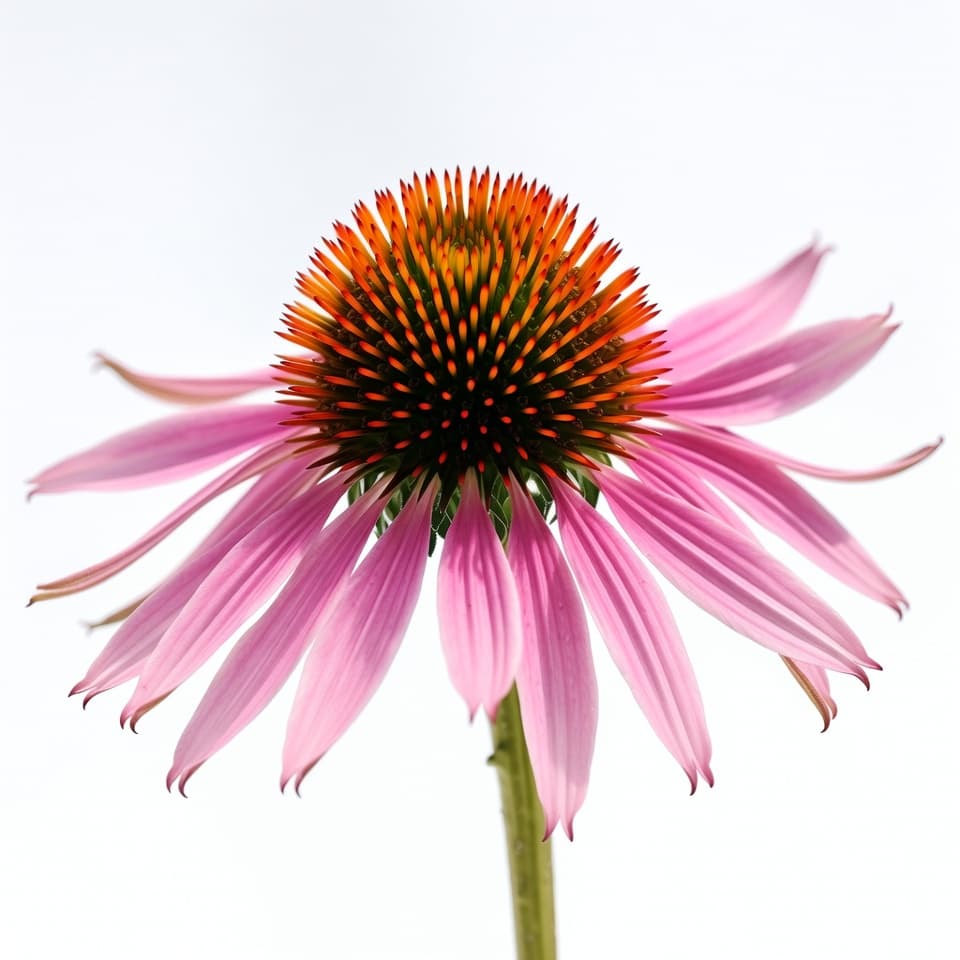
Echinacea purpurea
Echinacea purpurea is a striking native North American coneflower with a centuries-long history of use in indigenous herbal medicine, particularly among Plains tribes who used it for wounds, pain, and infections. Its primary active compounds — alkylamides, polysaccharides, and caffeic acid derivatives — have been studied for immune support and topical anti-inflammatory action. Both the aerial parts and roots carry medicinal value, making echinacea one of the most versatile plants in the herbal garden.
Traditional Uses
- Wound healing and skin repair
- Immune system support
- Topical antimicrobial for minor infections
- Reduction of local inflammation
- Relief from insect bites and stings
Key Properties
Our Sourcing
Echinacea is grown in InVine's Florida garden in Tallahassee, where it returns reliably each season. We harvest the aerial parts at peak bloom and the roots in the fall, drying both before infusion.
Why We Use It
[Janice to complete] Why echinacea earns its place in the garden and what drew you to grow it.