
Botanical Ingredient
Moringa
Moringa oleifera
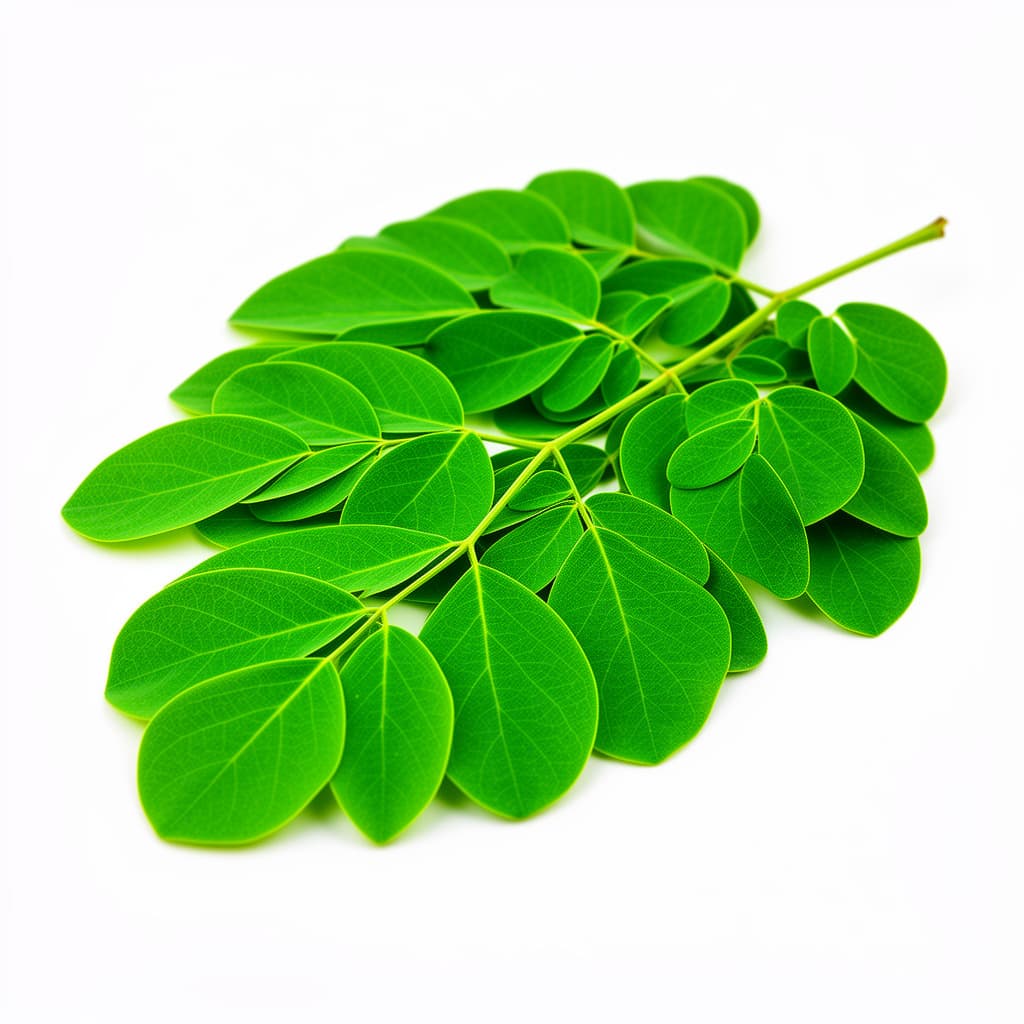
Moringa is a fast-growing tropical tree native to the Indian subcontinent, often called the 'miracle tree' for the remarkable density of bioactive compounds in its leaves, seeds, and bark. The leaves contain over 90 nutrients and 46 antioxidants, including quercetin, kaempferol, chlorogenic acid, and zeatin — a cytokinin that has been studied for its ability to slow cellular aging in skin tissue. Moringa oil, pressed from its seeds, is exceptionally rich in behenic acid and oleic acid, giving it a penetration profile rivaling that of argan oil.
Traditional Uses
- Wound healing and skin regeneration in Ayurvedic medicine
- Topical anti-inflammatory for dermatitis and eczema
- Antimicrobial treatment for infected skin
- Nutritive leaf poultice for dry or damaged skin
- Hair and scalp conditioning across South Asian traditions
Key Properties
Did You Know
Gram for gram, moringa leaves contain more vitamin C than oranges, more calcium than milk, and more potassium than bananas — earning it recognition by the WHO as a high-priority crop for addressing malnutrition in tropical regions.
Our Sourcing
Moringa thrives in the warm, semi-arid conditions of North Florida and grows prolifically in InVine's Tallahassee garden. It is one of the fastest-establishing plants we grow — a seedling becomes a productive tree within a single season. We harvest the young leaves at peak nutritional density, dry them carefully to preserve the full antioxidant profile, and slow-infuse them in organic cold-pressed oils for maximum compound transfer.
Why We Use It
Moringa stands out for what it brings to the oil itself during infusion. The density of fat-soluble antioxidants in its leaves — particularly the carotenoids and flavonoids — transfers readily into the carrier oil over weeks of slow infusion, enriching the base in a way that few herbs can match. It also brings real skin-healing properties: the zeatin content is unusual in the plant world and has genuine evidence behind it for supporting skin cell renewal.