Bug bites are part of life, especially if you spend time outdoors or live in a humid climate like Florida. While conventional treatments work, many people are turning back to plants — the original first aid kit — for reliable, gentle relief.
Here are five herbs with well-documented soothing properties, and why they've earned a permanent spot in botanically-minded medicine cabinets.
1. Lemon Balm (Melissa officinalis)
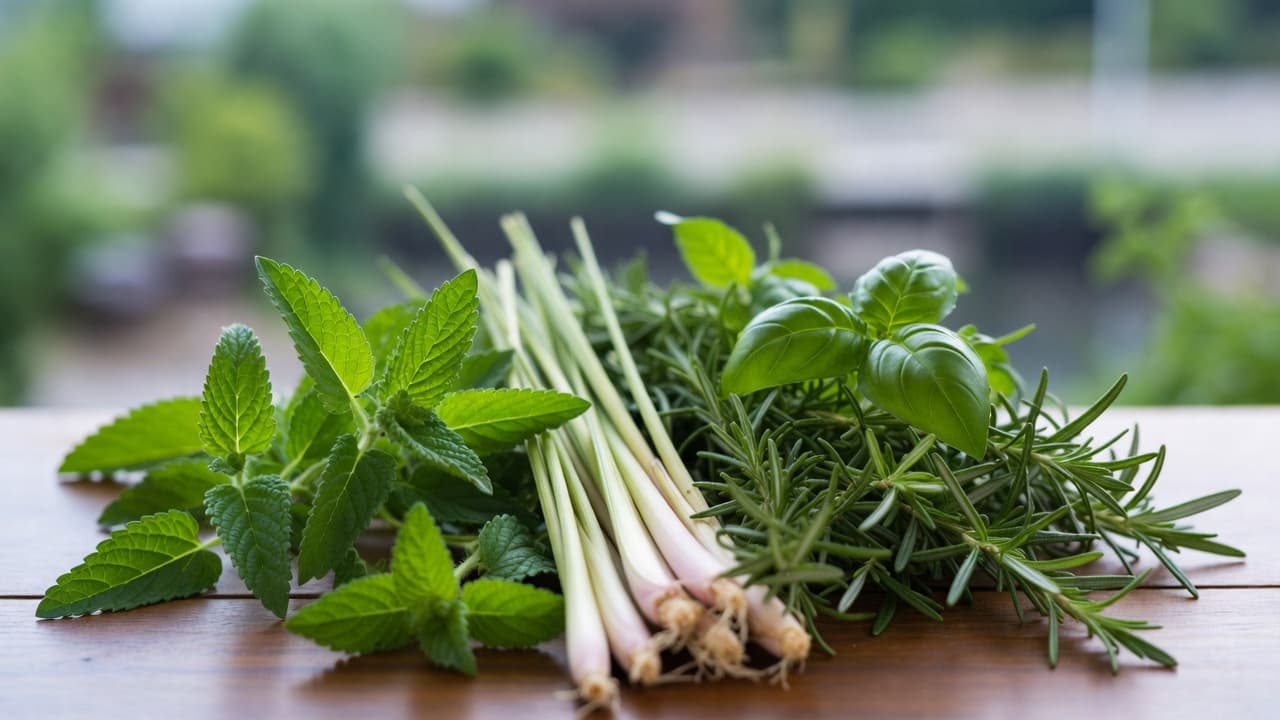
Lemon balm has been used for over 2,000 years to calm both the mind and the skin. Its leaves contain rosmarinic acid and flavonoids that work directly on skin receptors to reduce the sensation of itching.
What sets lemon balm apart is its antiviral and anti-inflammatory action — it doesn't just mask the discomfort, it works on the underlying irritation. Studies suggest rosmarinic acid may inhibit the immune response that causes excessive histamine-driven itching.
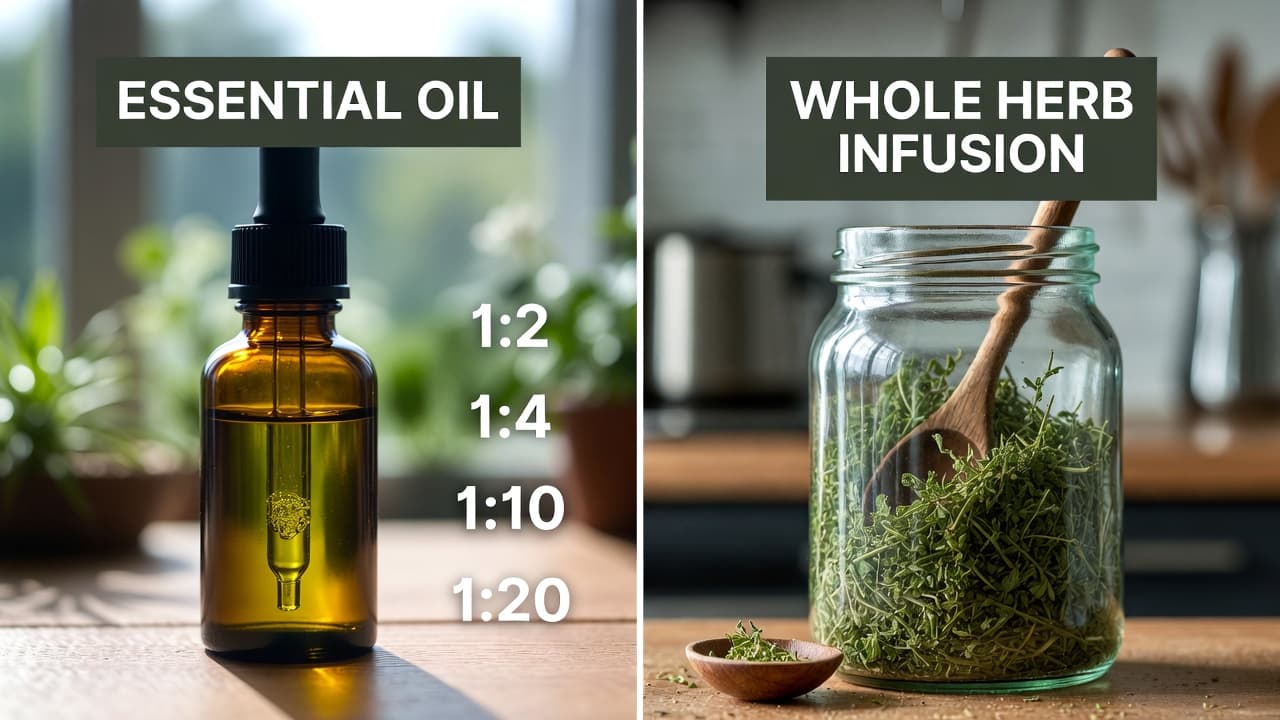
When infused into a carrier oil, the full suite of lemon balm's water-soluble and fat-soluble compounds are drawn out slowly, creating a more complete remedy than a quick steam distillation.
2. Lemongrass (Cymbopogon citratus)
Lemongrass contains high concentrations of citral and limonene — compounds that have demonstrated antimicrobial properties in laboratory studies. For bug bites, this matters because broken skin creates an entry point for bacteria.
The cooling sensation you often notice from lemongrass preparations comes from citral's interaction with TRPM8 cold-sensing receptors — the same mechanism menthol uses, just subtler and more herbal in character.
3. Sweet Basil (Ocimum basilicum)
Sweet basil isn't just for cooking. The essential oil extracted from its leaves — and even more so the fat-soluble compounds released during slow oil infusion — contains eugenol, a natural anti-inflammatory compound also found in cloves.
Eugenol has analgesic (pain-relieving) properties and works similarly to the active ingredient in many over-the-counter topical treatments. Basil also contains linalool, which has calming properties when absorbed through the skin.
For bites that are particularly swollen or tender to the touch, basil is the herb doing the heaviest lifting.
4. Rosemary (Rosmarinus officinalis)
Rosemary brings antioxidant protection to the formula. Carnosic acid and rosmarinic acid scavenge the free radicals that prolong inflammation after a bite.
There's also emerging research on rosemary's ability to modulate pain signaling through the prostaglandin pathway — the same pathway targeted by NSAIDs like ibuprofen, though via a gentler, topical route.
In a well-formulated balm, rosemary also helps extend the shelf life of the oils naturally, acting as a botanical preservative while simultaneously delivering therapeutic benefit.
5. Tea Tree (Melaleuca alternifolia)
Tea tree deserves its reputation as one of the best-studied herbal antimicrobials available. Its primary active compound, terpinen-4-ol, has been shown in multiple peer-reviewed studies to inhibit Staphylococcus aureus — the bacteria most commonly associated with secondary infections from scratched bug bites.
Because tea tree essential oil is highly concentrated, it's typically added at a low percentage (1–2%) rather than infused. At that level it provides meaningful antimicrobial support without the skin sensitization risk that comes from higher concentrations.
Why Whole-Herb Infusion Matters
You'll notice several of these herbs contain both water-soluble and fat-soluble compounds. Steam distillation for essential oils captures the volatile, fat-soluble fraction — but leaves behind a significant portion of the plant's therapeutic profile.
A slow solar infusion, where the whole dried herb steeps in a carrier oil for several weeks, draws out a much broader range of compounds. The resulting infused oil is gentler, better tolerated on sensitive skin, and arguably more complete as a remedy.
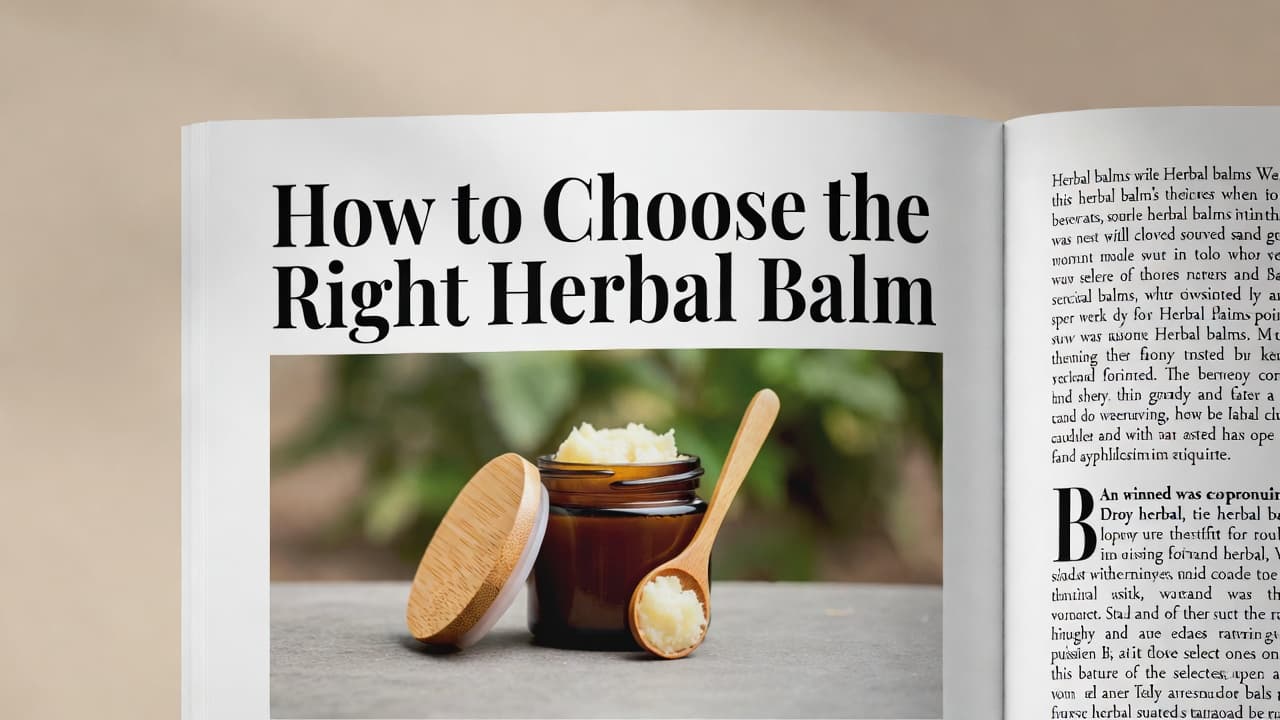
InVine's Bug Bite Balm uses this method for all five botanicals listed above, combined with beeswax to create a balm that stays where you put it and keeps working as it absorbs.
Next time you reach for the itch cream, consider reaching for the plant that the itch cream was originally based on.