When you reach for a warming balm after a hard workout or a long day, you want something that actually does something — not just something that smells like menthol and fades in five minutes. Real botanical warmth comes from plants with well-studied mechanisms of action, and four of the most effective are already in your spice cabinet.
1. Ginger (Zingiber officinale)
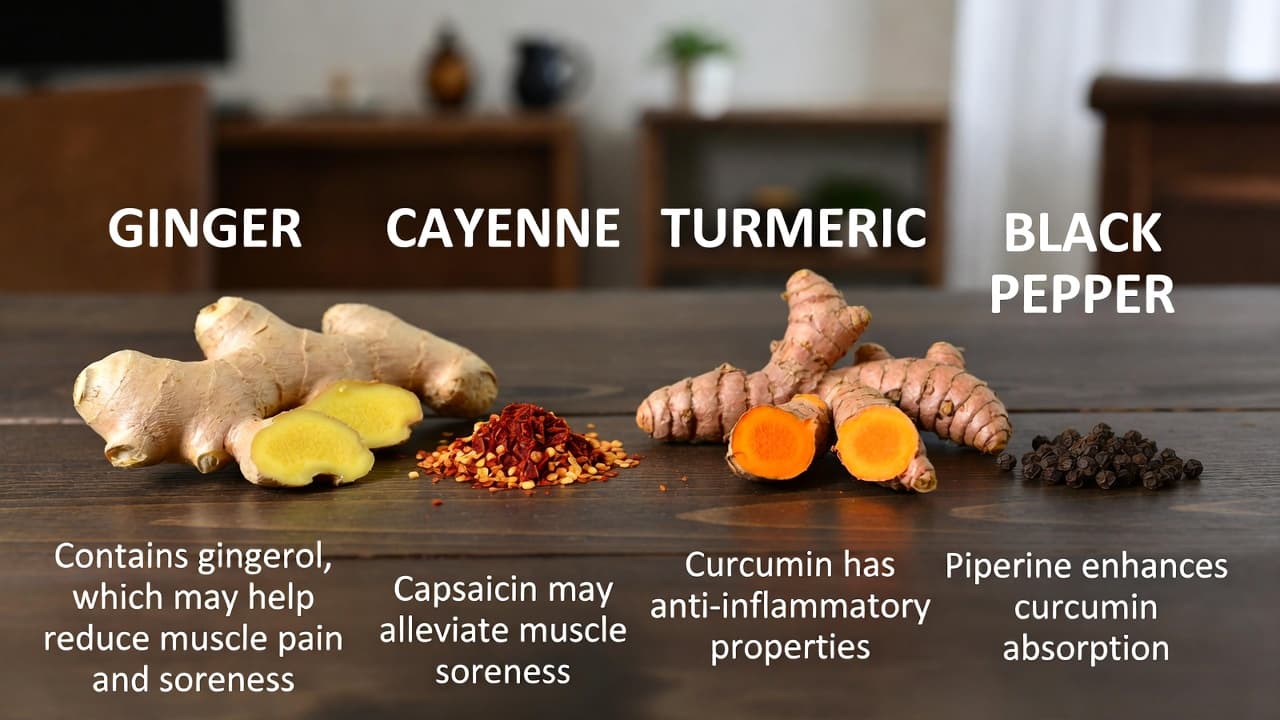
Ginger's warming effect comes primarily from gingerols in fresh root and shogaols in dried or heated root. These compounds inhibit the synthesis of prostaglandins and leukotrienes — the signaling molecules that drive inflammation and sensitize pain receptors.
What this means topically: when ginger compounds penetrate the skin over a sore muscle, they work on the local inflammatory environment directly, not through systemic circulation. Research published in the Journal of Pain has found that topical ginger preparations reduce muscle soreness and tenderness with regular use over several days.
The warmth you feel is real: gingerols activate TRPV1 receptors, the same heat-sensing ion channels that respond to physical warmth. Your skin interprets the stimulation as heat, which also increases local circulation — exactly what overworked muscles need.
2. Cayenne (Capsicum annuum)
Cayenne is the most aggressively warming herb in the formula, and for good reason. Its active compound, capsaicin, triggers a counter-irritation response: by strongly stimulating TRPV1 receptors at the skin's surface, it temporarily depletes Substance P — the neurotransmitter responsible for transmitting pain signals from the area to the brain.
This is the same mechanism behind pharmaceutical capsaicin patches, which are used for chronic musculoskeletal pain and neuropathy. The botanical version delivers capsaicin more gradually through a carrier oil, which gives a sustained warming effect without the intense initial burn of a clinical-strength patch.
With regular application, the Substance P depletion builds over time, which is why people who use warming balms consistently often report cumulative benefit rather than just in-the-moment relief.
3. Turmeric (Curcuma longa)
Turmeric contributes something the other warming herbs don't: curcuminoids, particularly curcumin, which are among the most studied natural anti-inflammatory compounds available. Curcumin inhibits NF-κB signaling — a master switch for inflammation — and suppresses the activity of COX-2, the enzyme targeted by NSAIDs like ibuprofen.
Topical curcumin application bypasses the bioavailability problem that limits oral turmeric supplements (curcumin is poorly absorbed from the gut without piperine). When delivered in a fat-soluble carrier oil directly to inflamed tissue, the compounds have direct access to the area without the first-pass metabolism that degrades so much of oral turmeric before it reaches its target.
The golden color of turmeric is a visual reminder of how concentrated the curcuminoids are in even a small amount of root.
4. Black Pepper (Piper nigrum)
Black pepper's role in this formula is partly direct and partly synergistic. Piperine — the compound responsible for pepper's sharp taste and warmth — is a mild circulatory stimulant that increases blood flow to the area, enhancing the delivery and absorption of the other botanicals.
But piperine is also a known bioavailability enhancer. In oral supplements, it dramatically increases curcumin absorption. Applied topically alongside turmeric, there is evidence of similar synergistic activity at the local level, with piperine facilitating the penetration of curcuminoids into deeper skin layers.
Why Combination Matters
These four plants hit different pain and inflammation pathways simultaneously:
- Ginger works on prostaglandin synthesis and heat receptors
- Cayenne depletes Substance P and counter-stimulates pain signals
- Turmeric inhibits COX-2 and NF-κB inflammatory signaling
- Black pepper increases circulation and enhances penetration of the others
No single herb does all of this. Together, they address muscle discomfort from multiple angles — which is why a well-formulated multi-herb warming balm tends to outperform any single-ingredient preparation.
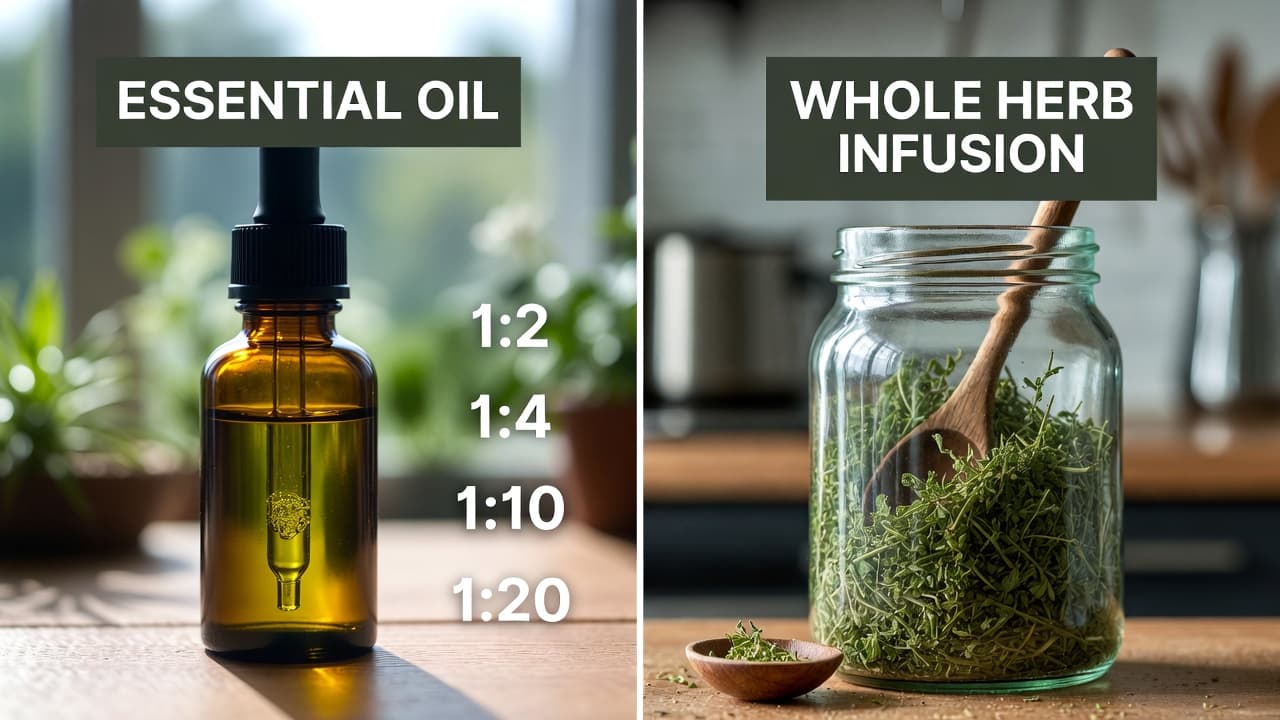
The slowest part of the process is the most important: weeks of oil infusion give these plant compounds time to fully migrate into the carrier, producing a base that's genuinely botanical — not just a carrier oil with a few drops of spice oil stirred in at the end.