When people ask what makes a balm a balm — rather than a lotion, a salve, or a cream — the answer almost always comes back to beeswax. It's the ingredient that gives a balm its characteristic texture, its staying power, and much of its therapeutic function.
Modern cosmetic chemistry has produced dozens of alternatives: petroleum jelly, candelilla wax, carnauba wax, synthetic emulsifying waxes. Some of them approximate beeswax's texture. None of them do everything beeswax does.
What Beeswax Actually Is
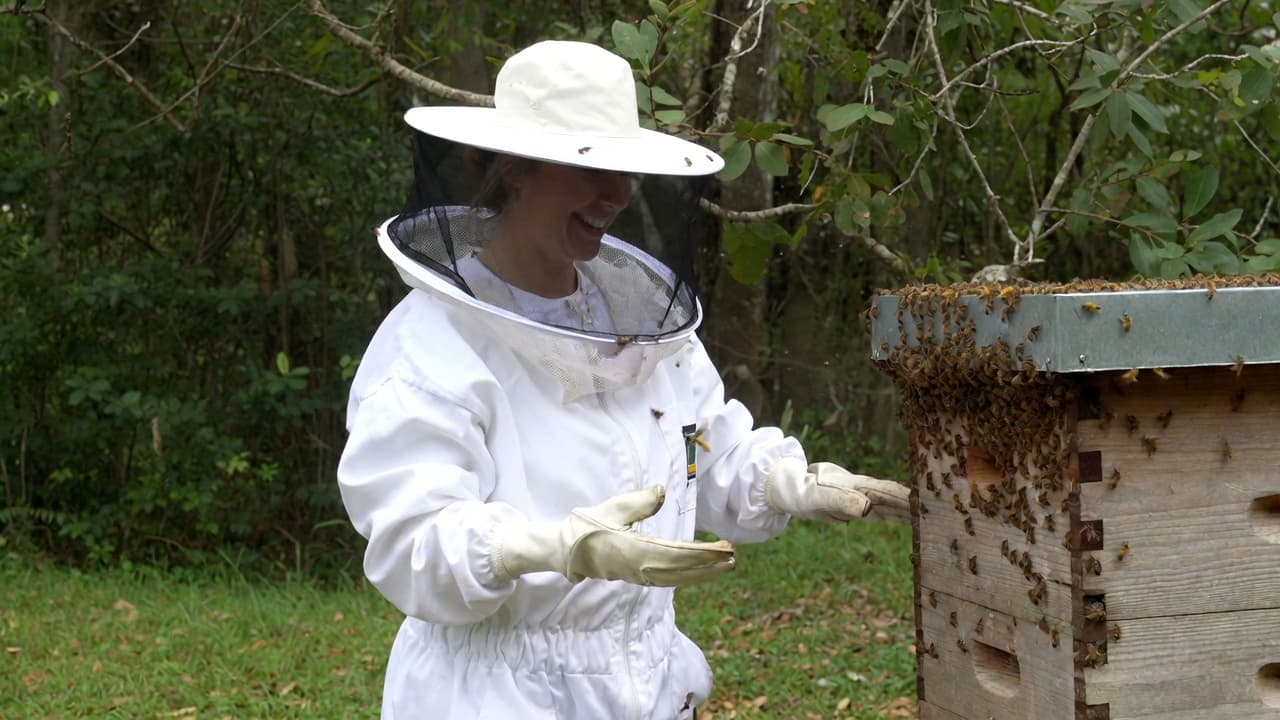
Beeswax is secreted by worker honeybees from glands on their abdomens to construct the honeycomb. It's composed primarily of esters of fatty acids and fatty alcohols, along with hydrocarbons, free acids, and propolis — the antimicrobial resin bees collect from tree buds.
That last detail matters: raw, unfiltered beeswax naturally contains propolis residue, which has well-documented antimicrobial properties. Even refined beeswax retains some of this character.
The Film-Forming Advantage
The primary job of beeswax in a topical preparation is to create a semi-occlusive film on the skin. "Semi-occlusive" is the key word here — it reduces transepidermal water loss (the evaporation of moisture through the skin barrier) without completely blocking gas exchange the way petroleum jelly does.
This distinction matters practically. Petroleum jelly sits on top of the skin and traps everything beneath it — moisture, bacteria, and any compounds you've applied. Beeswax allows the skin to breathe while still providing a protective, moisture-retaining layer.
For an herbal balm, this is ideal: the infused botanicals in the carrier oil can continue interacting with the skin as the balm slowly absorbs, rather than being sealed beneath an impermeable layer.
How It Holds the Formula Together
Beeswax has a melting point of around 144–147°F (62–64°C) — well above skin temperature, but low enough to melt easily for formulating. When you combine melted beeswax with a warm infused oil, they blend completely. As the mixture cools, the wax forms a three-dimensional crystalline structure that suspends the oils and holds them in place.
This is why the texture of a beeswax balm is so different from a simple oil. The wax matrix slows the release of the carrier oil onto the skin, which means the botanical compounds in that oil have more sustained contact with skin cells over time.
More beeswax means a firmer balm that stays where you put it — useful for targeted application on a specific bite or sore muscle. Less beeswax means a softer, more spreadable consistency. The ratio is the formulator's primary texture tool.
Centuries of Use
Beeswax appears in herbal preparations as far back as ancient Egypt. The Ebers Papyrus (circa 1550 BCE) references wax in topical remedies. Greek and Roman physicians used it extensively. Medieval apothecaries called preparations combining beeswax and oils "cerates" — the root of the modern word "cream."
There's something reassuring about working with a base that thousands of years of practical herbalism have already validated. When InVine formulates a balm, beeswax isn't a nostalgic choice — it's the functionally correct one.
The next time you see a label that reads "beeswax, organic oil, botanicals" and nothing else, that's not simplicity. That's intention.