The word "carrier" makes them sound passive — background ingredients that hold the real actives in suspension until they reach your skin. That framing undersells them significantly.
In an herbal balm, the carrier oils are the formula. They're what absorbs into your skin, what carries infused plant compounds into the dermis, and what determines the texture and feel of every application. Use mediocre carrier oils and you've already decided how good the product can be, regardless of what's floating in them.
InVine Botanicals uses two carrier oils — organic olive oil and organic coconut oil — and neither is there by accident.
What a Carrier Oil Actually Does
Before getting to the specific oils, it helps to understand what a carrier oil is being asked to accomplish.
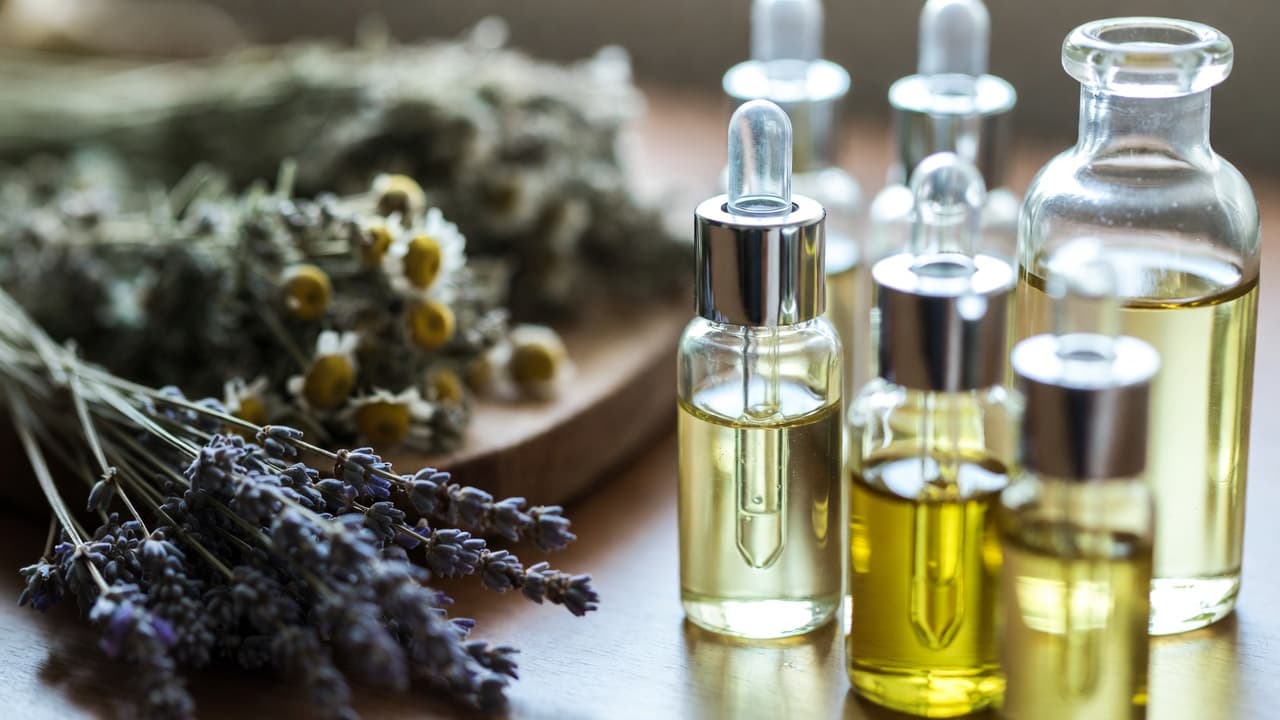
Unlike essential oils, which are volatile aromatic concentrates, carrier oils are fatty lipids derived from nuts, seeds, or fruits. Their molecular structure gives them several properties that matter for topical use:
- They penetrate the skin's lipid bilayer. Skin is largely fat-based, and fatty molecules can pass through it more readily than water-based compounds. Carrier oils move through the stratum corneum — the outermost skin layer — and carry dissolved compounds with them.
- They form an occlusive layer. At the surface, carrier oils slow transepidermal water loss, keeping skin hydrated beneath whatever you apply.
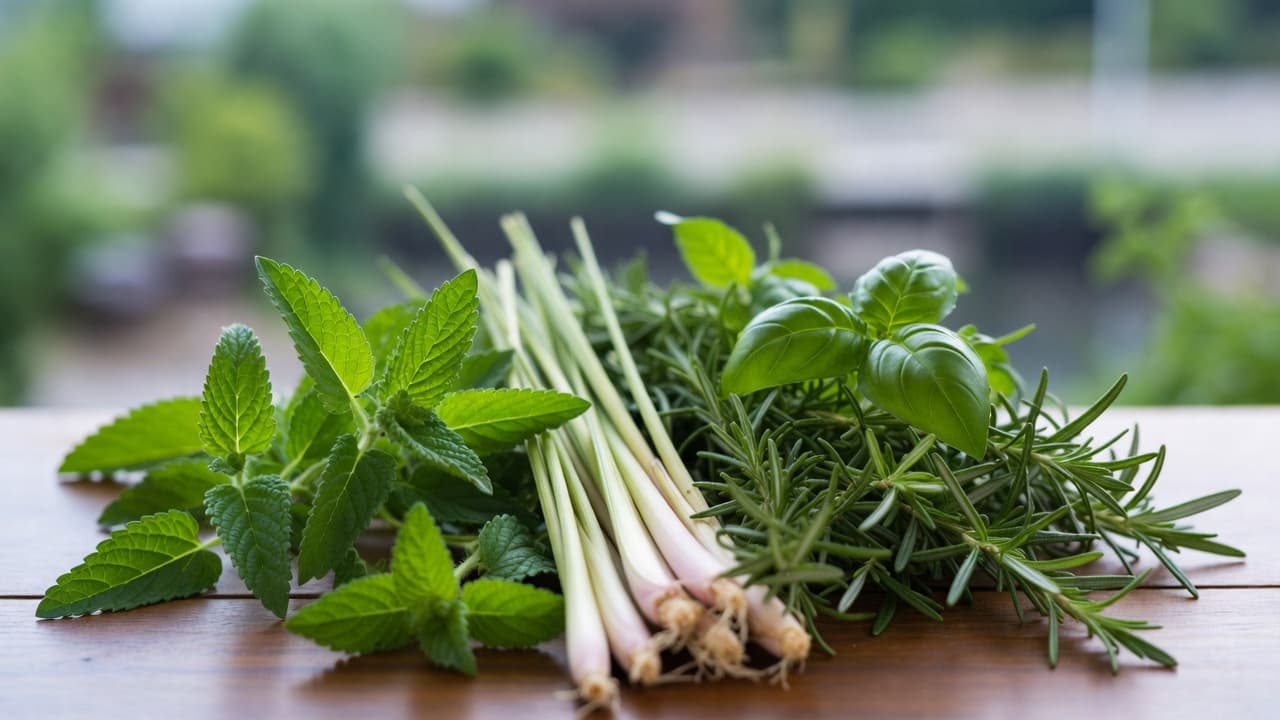
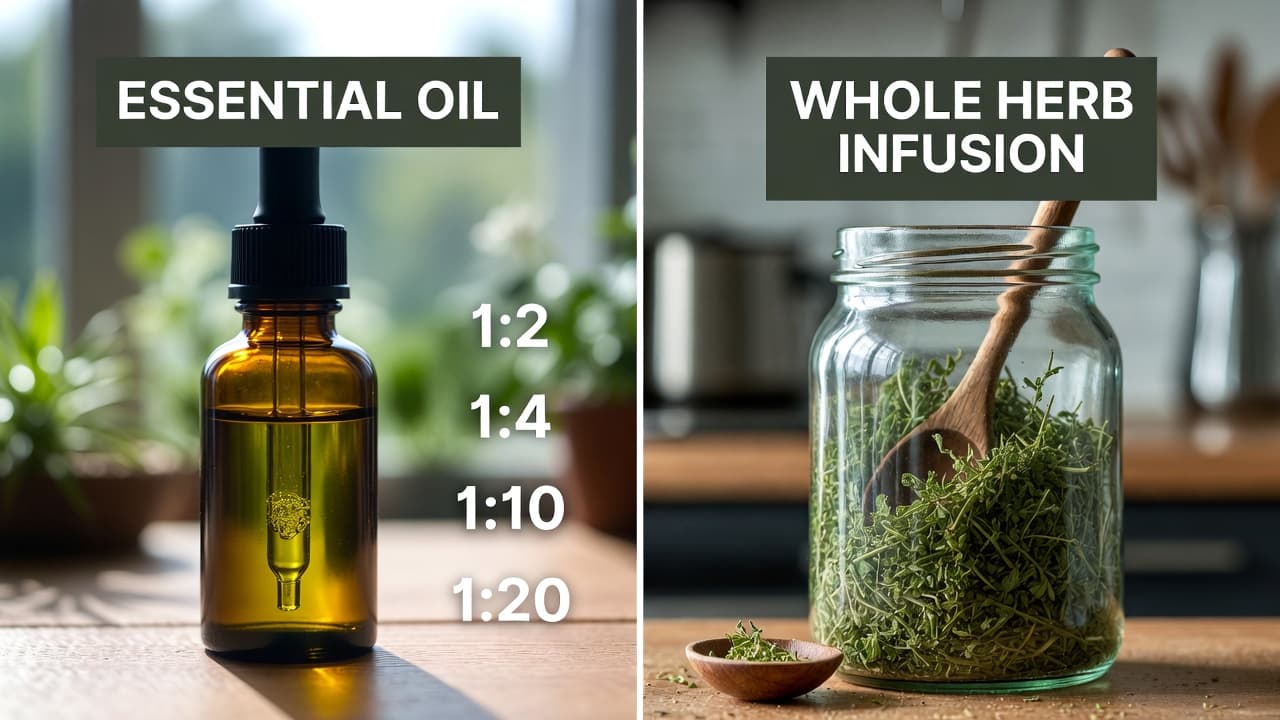
- They are the solvent. In an herbal infusion, it's the carrier oil that extracts fat-soluble compounds from plant matter over weeks of contact. The rosmarinic acid from rosemary, the gingerols from ginger, the luteolin from lemon balm — these only exist in the final product because the oil pulled them out.
The quality of the oil determines how well each of these functions is served.
Organic Olive Oil: The Deep-Penetrating Emollient
Organic olive oil has been the base of topical preparations for thousands of years. That longevity is not nostalgia — it reflects a molecular profile that's difficult to improve on.
Olive oil is composed primarily of oleic acid, an omega-9 fatty acid with a relatively small, elongated molecule. That structure allows it to penetrate deeply through the lipid layers of the skin rather than sitting primarily on the surface. Research on oleic acid's skin permeation effects has consistently shown that it interacts with the lipid bilayer to increase permeability — not destructively, but in a way that helps other compounds pass through alongside it.
This is why olive oil makes such an effective infusion base. The same property that helps it penetrate skin also helps it extract a broad range of fat-soluble phytochemicals during the infusion process. A six-week solar infusion in high-quality organic olive oil extracts a richer compound spectrum than a shorter, hotter extraction in a less penetrating oil.
Organic olive oil is also rich in polyphenols — its own contribution to the formula, independent of whatever herbs it carries. Hydroxytyrosol and oleuropein, two of olive oil's primary polyphenols, have documented antioxidant and anti-inflammatory activity at the skin level. Every balm gets these by virtue of the base oil.
Organic Coconut Oil: The Functional Solid
Coconut oil is a different animal. Where olive oil is liquid at room temperature and penetrating in character, coconut oil is solid below about 76°F and built around a different molecular profile — primarily medium-chain fatty acids, especially lauric acid.
Lauric acid is a 12-carbon saturated fat with well-documented antimicrobial properties. It can disrupt the lipid membranes of certain bacteria and fungi, which makes coconut oil particularly useful in a topical formula applied to skin that may be irritated, bitten, or otherwise compromised.
Coconut oil's solid-at-room-temperature character also does structural work in the balm. Combined with beeswax, it contributes to the characteristic firm-but-melts-on-contact texture. It gives the product body without synthetic thickeners or emulsifiers.
It's also worth noting that coconut oil's high saturated fat content makes it more resistant to oxidation than highly polyunsaturated oils — relevant in a formula that will sit in a medicine cabinet for months without synthetic preservatives.
Why Both? The Complementary Argument
Olive oil and coconut oil have overlapping strengths and different specialties. That's precisely why the combination works.
Olive oil provides depth of penetration, polyphenol content, and a broad solvent profile for infusion. Coconut oil provides antimicrobial properties, structural texture, and oxidative stability. They're not redundant — they're complementary at the molecular level.
A formula built on only one would do half the job. Olive oil alone produces a softer balm with less antimicrobial activity. Coconut oil alone produces a harder balm with shallower penetration and fewer infused polyphenols from the herb extraction process.
Together, with beeswax as the structural frame, they produce the texture, penetration profile, and therapeutic range that a genuinely functional balm requires.
Why Oil Quality Determines Herb Quality
The quality of the carrier oil isn't just about the oil itself — it directly affects what the herbs inside it can do.
Oil that has already begun to oxidize will extract fewer intact compounds from herbs during infusion. Refined oils that have been bleached and deodorized lack the full spectrum of native fatty acids and polyphenols that make cold-pressed organic oils functional. An herb-infused balm made with cheap, refined carrier oils may list the correct herbs on the label and deliver significantly less in practice.
This is why InVine sources certified organic olive oil and coconut oil from trusted producers rather than cutting costs on what is, by volume, the majority of the formula. The herbs are only as effective as what carries them.
What to Look For on a Label
When evaluating any herbal balm or botanical topical, a few carrier oil signals are worth knowing:
Look for: Extra virgin or cold-pressed olive oil (not refined). Virgin or unrefined coconut oil. Organic certification on both.
Be skeptical of: Mineral oil (petroleum-derived — occlusive but nutritively inert), fractionated coconut oil as a primary carrier (it's been stripped of its medium-chain fatty acid profile), or carrier oils listed without any indication of grade or processing.
Order matters: Ingredients are listed in descending order by volume. If the carrier oils appear near the bottom of the list, the formula is mostly something else.
The herbs are the reason to reach for a botanical product, but what carries them determines whether they actually arrive.