"Natural." "Plant-based." "Clean beauty." These terms get a lot of attention — but the single most useful thing a label reader can learn has nothing to do with any of them. It starts and ends with one word: Fragrance.
The Most Important Loophole in Cosmetic Labeling
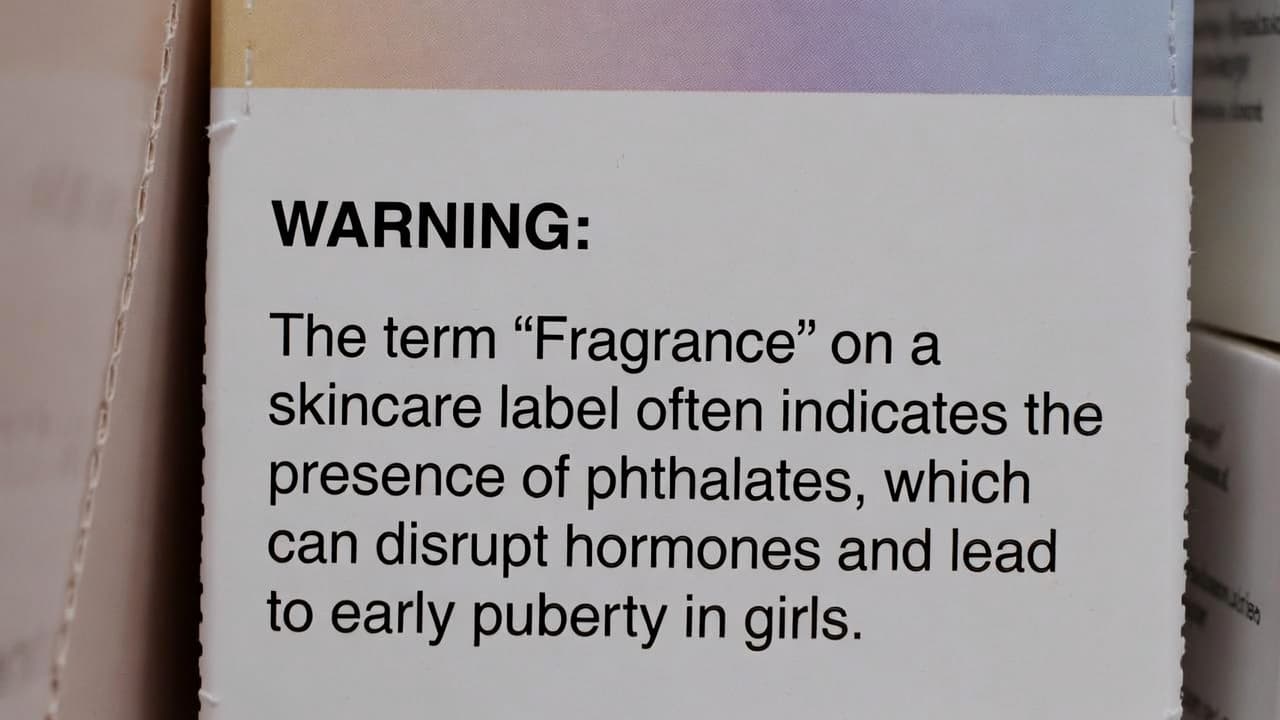
Under U.S. FDA regulations, cosmetic manufacturers are required to list every ingredient on the label — with one notable exception. Ingredients added for scent can be listed collectively as "Fragrance" (or its international equivalent, Parfum), without any requirement to disclose the individual components.
The reason this rule exists is that fragrance formulas are considered trade secrets. A brand's signature scent can represent significant investment in development, and the logic of protecting it has some merit. The consequence, however, is that a single word on an ingredient list can legally conceal dozens — sometimes hundreds — of individual chemical compounds.
What "Fragrance" Can Contain
The International Fragrance Association (IFRA) recognizes over 3,000 materials that can be used in fragrance formulas. A consumer who sees "Fragrance" on a label has no way to know which of these compounds are present, in what concentrations, or whether any have a history of sensitization.
The compounds most commonly associated with skin sensitization — contact dermatitis, allergic reactions, and long-term sensitization — are fragrance constituents. These include cinnamal, geraniol, eugenol, isoeugenol, limonene, linalool, and hydroxycitronellal, among others. Dermatologists consistently identify fragranced products as the leading cause of cosmetic-related contact allergy.
None of these compounds would be visible in a label that simply reads "Fragrance." All of them could be present.
"Natural Fragrance" Is Not a Cleaner Version
In recent years, "natural fragrance" and "botanical fragrance" have become common label claims — borrowed from the clean beauty movement and deployed to suggest a more wholesome formulation. The distinction from "Fragrance" is mostly marketing.
"Natural fragrance" can still be listed as a single ingredient without compound-level disclosure. The components may be derived from natural sources — isolated terpenes, essential oil fractions, naturally occurring aroma chemicals — but they can be present in concentrations and combinations that are just as sensitizing as conventional fragrance.
The fragrance loophole applies regardless of source. Natural origin does not change the disclosure requirement, or the absence of one.
The Difference a Whole Essential Oil Makes
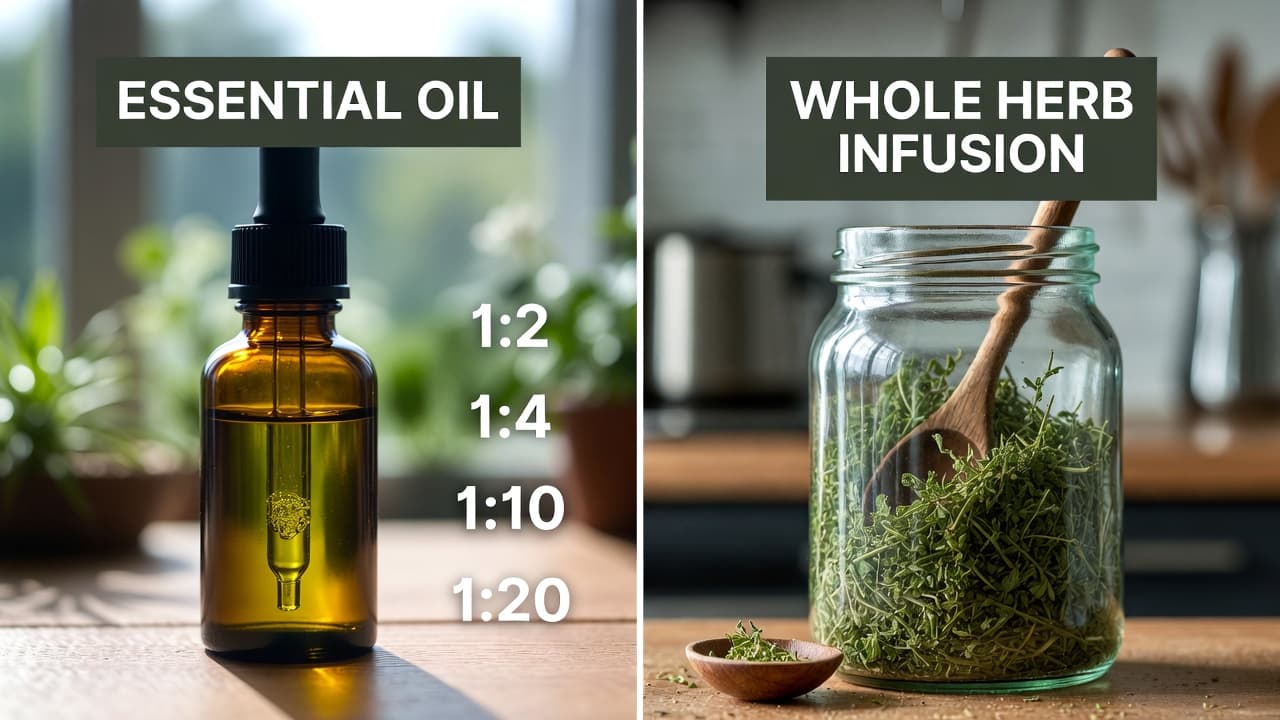
A product scented with whole essential oils — listed individually by plant and plant part — represents a fundamentally different disclosure standard. When a label reads Melaleuca alternifolia (Tea Tree) leaf oil or Lavandula angustifolia (Lavender) flower oil, you know exactly what's providing the scent and can research those compounds directly.
This matters for several reasons. Individual essential oils have well-characterized compound profiles. Their sensitization potential is studied and documented. Patch testing is possible because you know what you're testing for. And critically, the brand has no incentive to hide them — because there's nothing to hide.
A simple formulation scented only with named essential oils will never use the word "Fragrance" on its label.
What to Look For
When reading a skincare ingredient list:
- "Fragrance" or "Parfum" anywhere in the list means undisclosed compounds are present, regardless of the rest of the label's claims
- "Natural Fragrance" closes the same gap — the word "natural" does not change the disclosure standard
- Individual essential oils listed by plant is the most transparent scenting approach available
- Unscented products contain no fragrance compounds by definition — often the cleanest option for reactive or sensitive skin
The absences tell you as much as the inclusions. A product that never uses the word "Fragrance" because its scent comes entirely from named botanicals has nothing to hide about what's creating it.
The brands with fully disclosed ingredient lists often have simpler scent profiles than their conventional counterparts. That's not a limitation — it's the point.